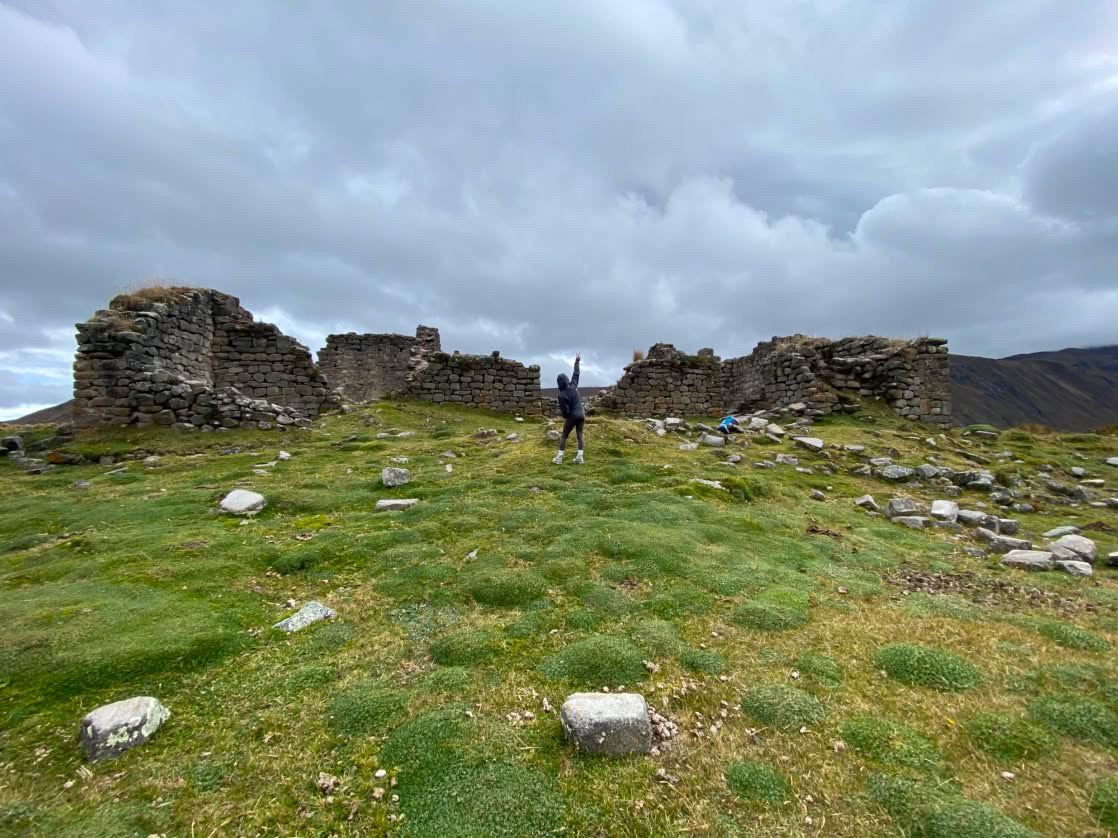
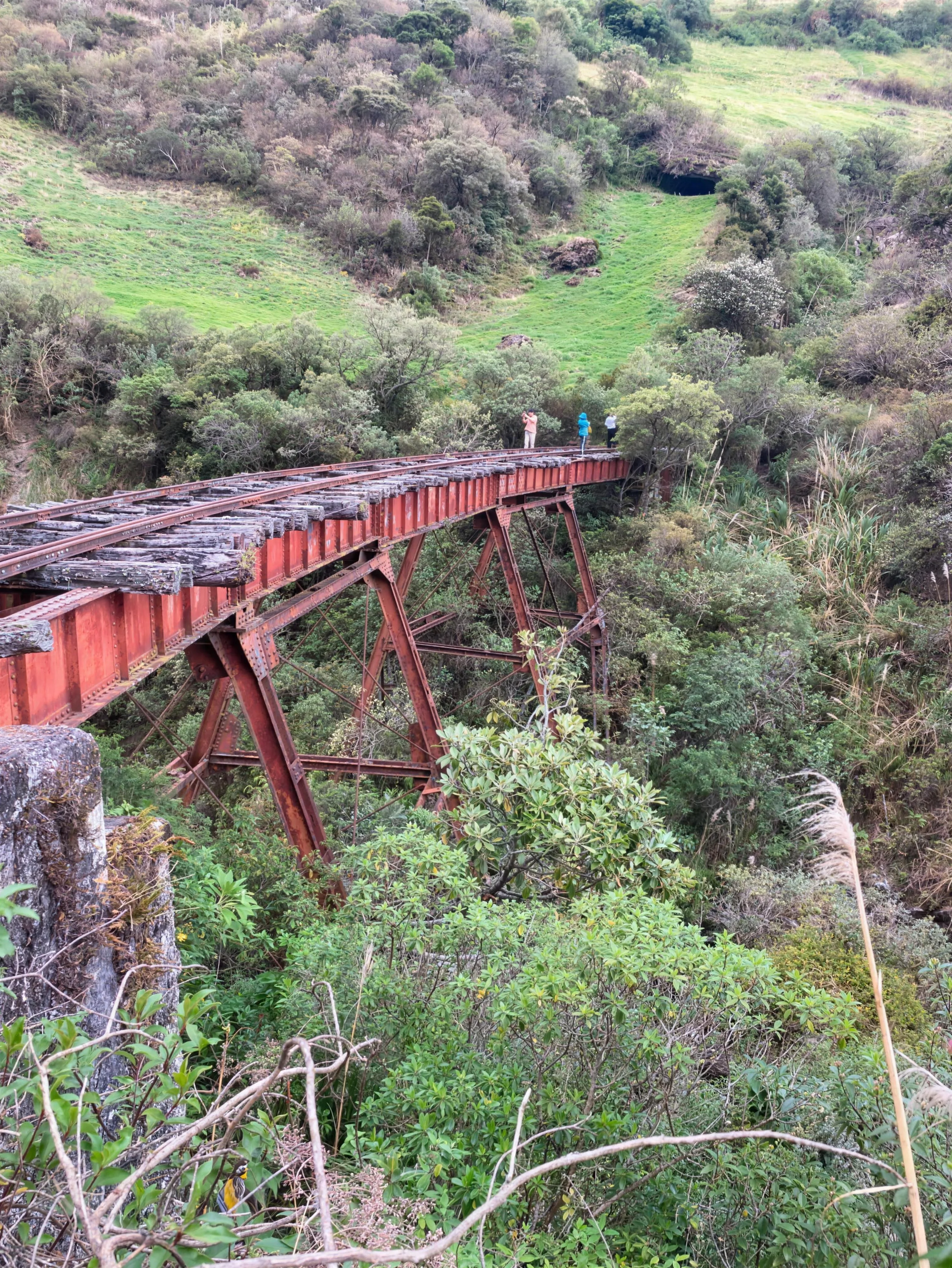
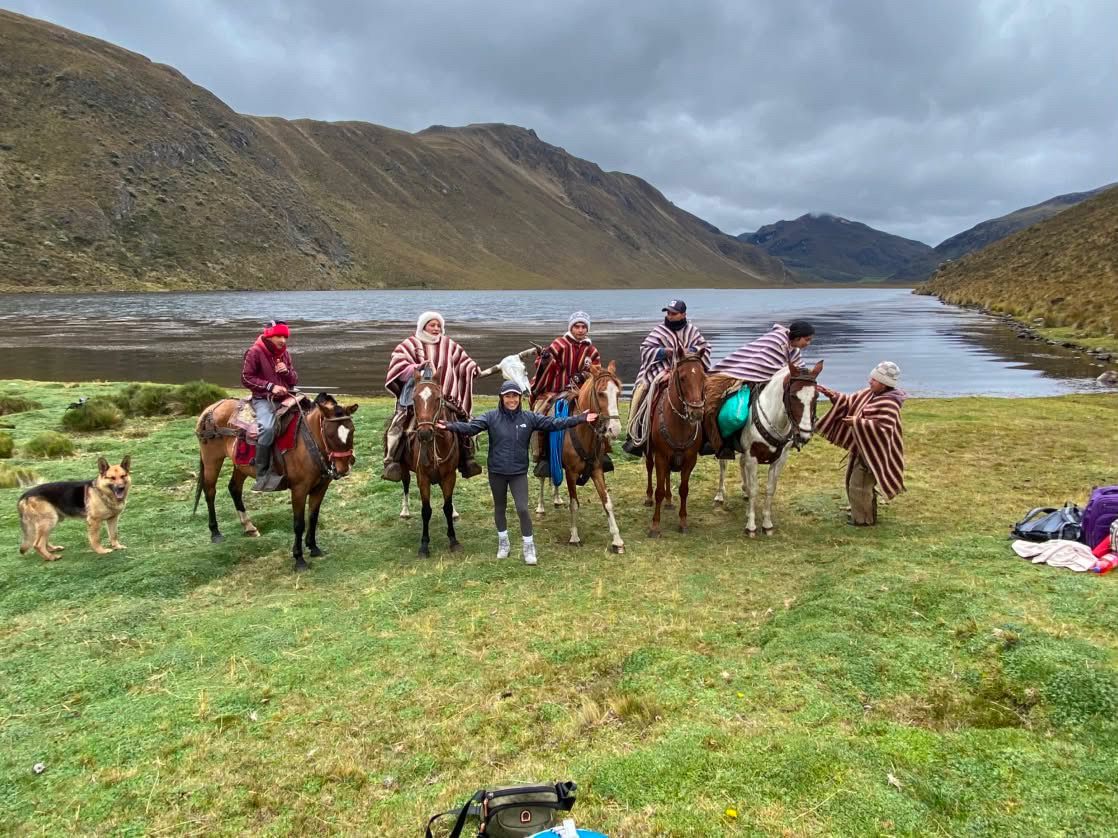
Stone remains in Juliana’s Andean archive. The exact archaeological site is unverified; this image provides regional context.
Ingapirca is a place to visit with questions. Who lived here before the Incas? Which structures belong to which period? How did ceremonial activity connect with daily life? Starting there gives the stonework more meaning than simply finding the familiar photograph of the curved temple. Plan enough space in your day to hear the interpretation, look closely and ask about the evidence behind the story.
Where Ingapirca fits into a Cañar visit
Ingapirca is an archaeological destination in Cañar province, in Ecuador’s southern Andes. The provincial government’s overview describes a complex containing ceremonial, residential and storage spaces, as well as a site museum. Its distinctive elliptical temple is one part of a larger place.
Make the complex your main appointment if archaeology is the purpose of the journey. Then choose a realistic arrival and return around it. A short line on a map between Ingapirca and another attraction is not enough to establish a workable connection, particularly if you are relying on public transport or meeting a guide.
Cañari and Inca: understand the layers
The Tourism Ministry’s historical introduction describes Inca construction over an earlier Cañari settlement. That is the essential distinction to bring with you: the site’s history does not begin with the Inca presence. Cañari and Inca should not be used as interchangeable labels for the same people or period.
Ask your interpreter how that sequence can be recognised. An explanation may refer to the arrangement of a space, the objects associated with it or differences in building techniques. It is useful to separate what survives visibly, what archaeology supports and what remains an interpretation. A good question is, “What evidence helps us understand this part of the site?”
Keep living culture in view as well. An archaeological visit concerns the past, but it takes place in a region where Cañari identity continues. Avoid describing today’s people as scenery around an ancient monument. If you visit a community or local business afterwards, let the people there explain their own work and experience.
What to look for during the visit
The temple in its setting
Take the well-known view, then look beyond it. Notice where the structure sits relative to open spaces and the surrounding ground. Ask which features support the interpretation you are hearing. You do not need to memorise every term; understanding one relationship between a building and its setting can be more memorable than a long list of names.
Spaces between the buildings
Look for the route you are following through the complex. Ask how people may have moved between its different areas and which functions are supported by evidence. Stay on the permitted visitor route rather than approaching a wall for a closer photograph. Stone remains are part of the object being protected, including pieces that appear less dramatic.
The museum, when included in your visit
The provincial overview also describes archaeological objects and interpretation in the museum. Confirm what is currently accessible and whether it is included in your admission arrangement. Choose a few objects to connect with what you saw outside: materials, everyday use and the distinction between a surviving object and a modern reconstruction.
Confirm the visitor arrangements before travelling
The INPC maintains an official Ingapirca reservation form with visitor date, time and category fields. Use the institution’s current instructions to confirm your visit. A submitted request, a payment record and a confirmed admission can be different stages; make sure you know which one you have.
- Check the opening day, entry time and any closure affecting your date.
- Confirm the current fee for your visitor category and the accepted payment method.
- Ask how guiding is arranged, which language is available and whether any separate charge applies.
- Check the documents you need and the current rules for bags, food and photography.
- Ask about surfaces, steps, toilets and places to rest if these affect your group.
Keep the confirmation available offline and allow time to find the entrance. Historic tourism articles can be useful for context while their operational details have changed. That is why this guide directs you to the operator instead of reproducing a fixed price or weekly timetable.
Prepare for a comfortable outdoor visit
Bring layers appropriate to the forecast, rain protection and footwear suited to the conditions the site confirms. Pack only what the visitor rules allow. If you have recently arrived in the highlands, leave the day unhurried and be honest about how much walking feels comfortable. Discuss individual access needs before committing to the visit.
The trip-planning page helps organise practical questions. If you are considering a separate walking day, read the trail preparation notes and keep that activity’s requirements separate from the archaeological visit.
Give the region more than a passing glance
A meal nearby or a second day in the area can leave room to reflect on what you have seen. To discuss a possible outdoor addition, ask Juliana about your dates and interests. Confirm what she can actually offer; this article does not include Ingapirca admission, transport or institutional guiding in a Valhalla Trek booking.