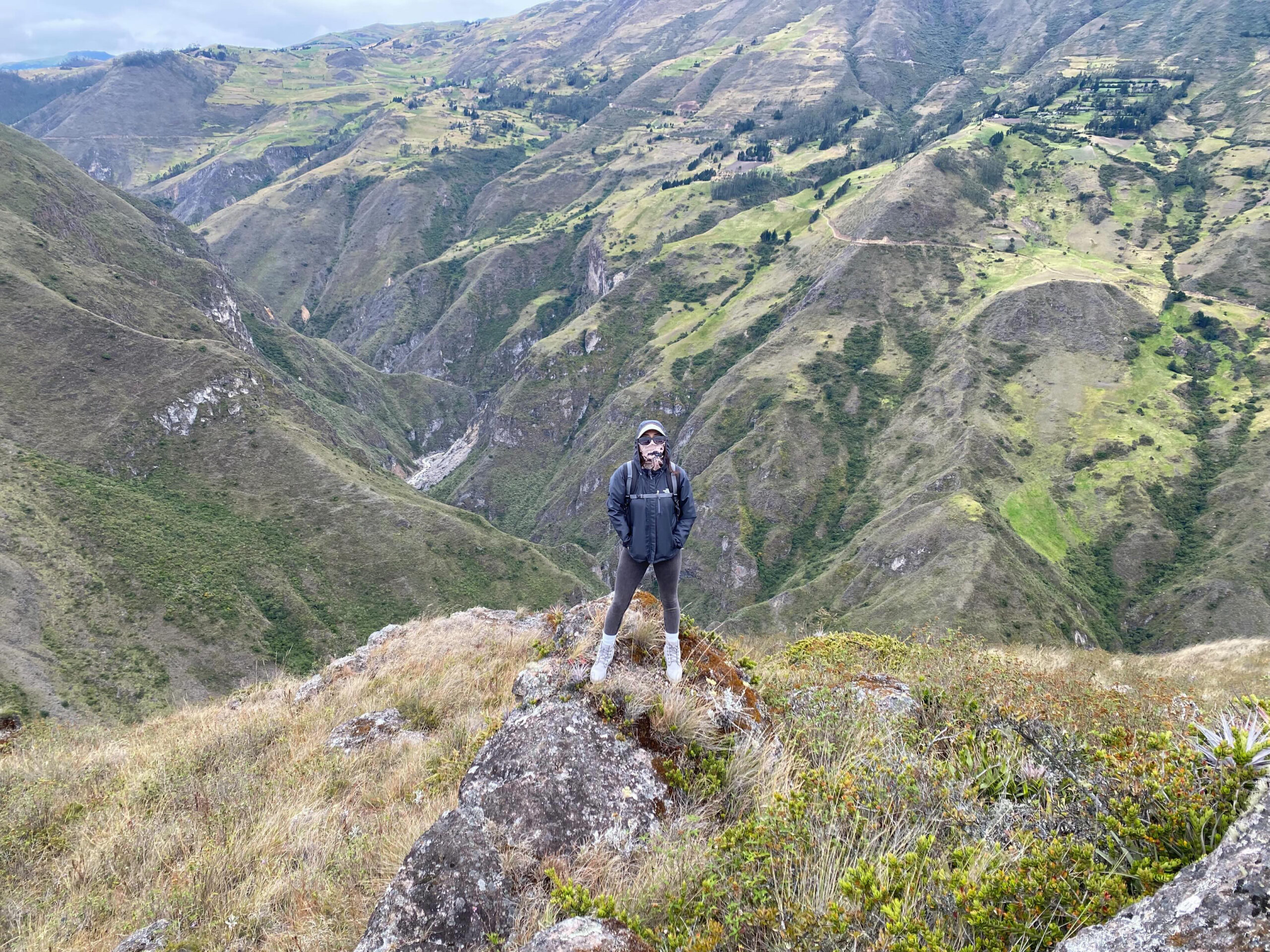
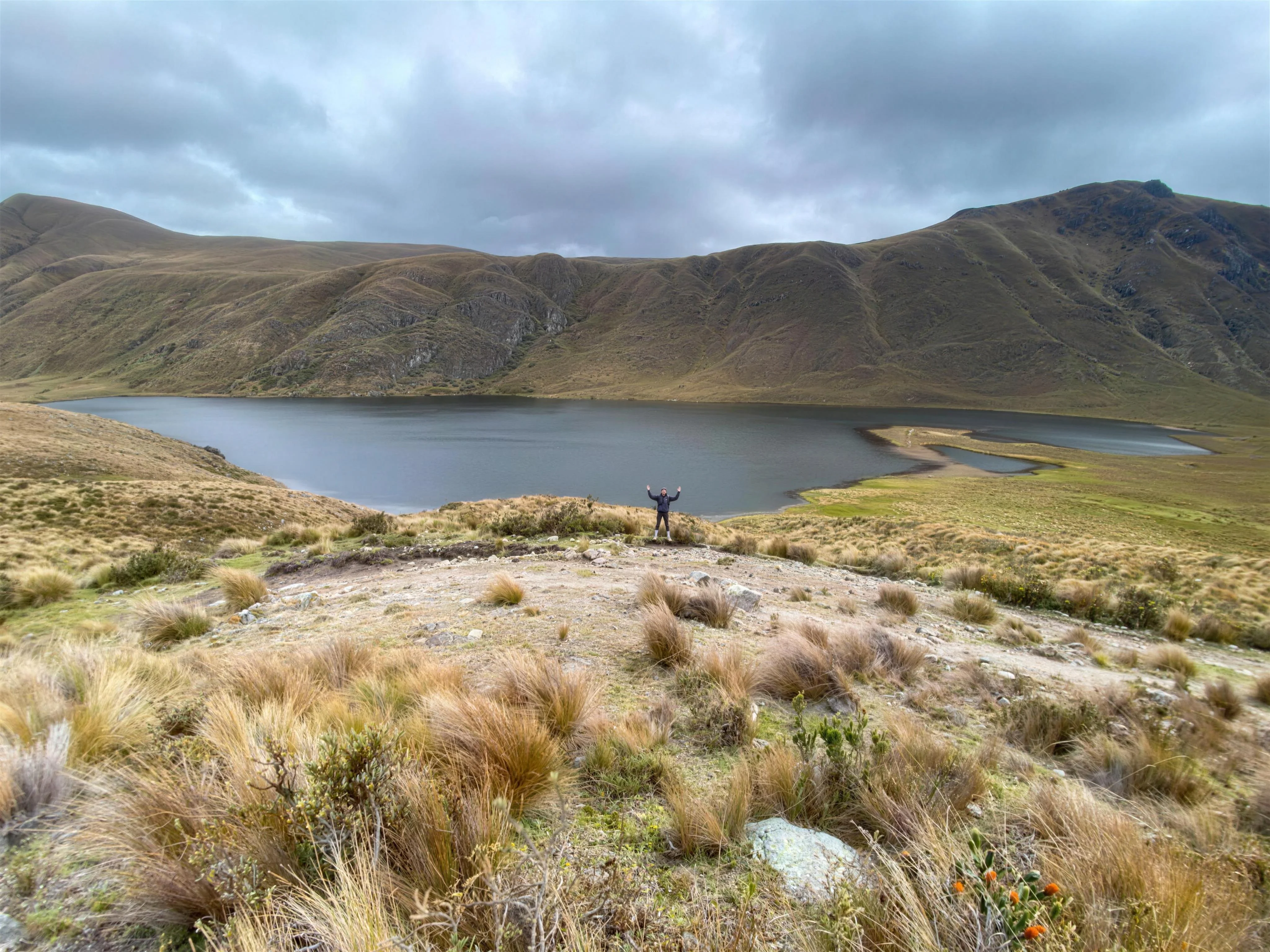
From Juliana’s Andean photo archive. Exact viewpoint has not been independently confirmed.
Cañar rewards a visit with room to look around. You can spend a morning understanding an archaeological site, sit down for lunch in town and leave the higher trails for another day. For a first trip, the most useful question is what you want to understand: the region’s history, everyday life in its towns, or the landscape beyond them. Choose one as your starting point and build the journey around it.
First, which Cañar are you visiting?
Cañar is the name of a province, a canton and the city that serves as that canton’s centre. Those are different areas on a map. A hotel described as being “in Cañar” may therefore be some distance from the place you intend to visit. Ask for the town, exact address and meeting point when making arrangements.
The municipal geography guide places the canton in southern Ecuador and describes terrain extending from the Andes towards the coastal lowlands. This article focuses on its highland towns and the surrounding Cañar region. A single weather forecast or driving estimate cannot describe every destination within that larger area.
Start with Cañari history and living culture
The words Cañari and Inca are not interchangeable. Cañari history predates Inca expansion into the region, and Cañari identity continues in contemporary communities. Look for interpretation that explains those layers rather than treating every old stone as part of one civilisation.
The Cañari tourism corridor’s destination page identifies Cerro Narrío and the Guantug museum among the canton’s cultural stops. They offer useful starting points for questions about earlier settlement, material culture and daily life. Confirm access before travelling, and ask which displays or areas are available on your chosen date. A museum visit can give a later landscape walk much more meaning.
Outside formal attractions, leave space for ordinary encounters: buying lunch, asking about a textile’s maker, or watching the town settle into its afternoon rhythm. Ask before photographing a person or entering a workshop. If someone is working, a purchase or a respectful conversation is a better introduction than a camera held at a distance.
Choose the right kind of day
A town and culture day
Base the day around Cañar city, a confirmed museum visit and a meal. Keep additional stops close to your arrival and departure points. This approach suits travellers who want context without committing to a remote walk, and it leaves time to adjust if an attraction is closed. Agree on a realistic amount of walking if anyone in the group has mobility needs.
An archaeology day
Make Ingapirca the main appointment and plan the journey around its confirmed visitor arrangements. You will get more from it if you arrive ready to listen, rather than fitting it between several rushed stops. The existence of a nearby town or trail on the map does not mean it can comfortably be added to the same outing.
A highland landscape day
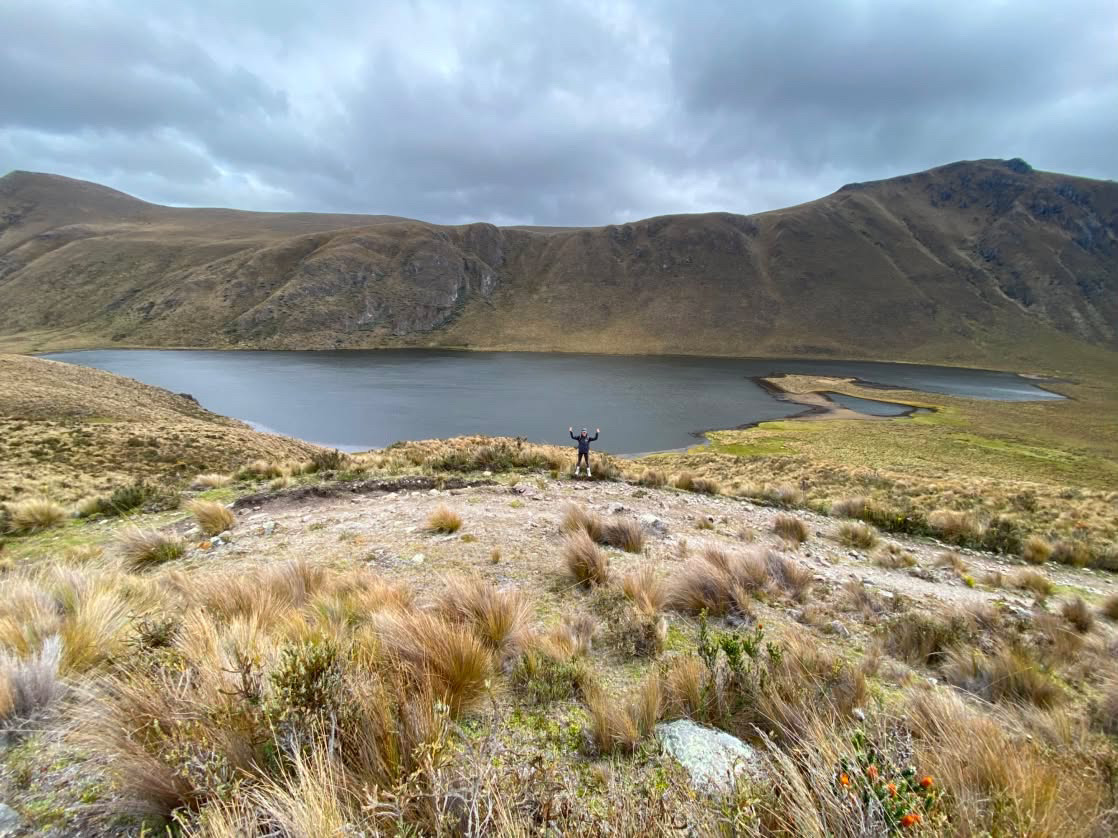
A visit towards Culebrillas needs its own access and weather decisions. Treat it as a separate plan with an agreed route, suitable transport and a clear return arrangement. A lagoon photograph does not tell you where vehicles can currently reach or how much walking your particular visit will involve. Use the trip-planning page to organise the questions you need answered.
Give El Tambo time of its own
El Tambo is another worthwhile focus within the province. Its UN Tourism village profile highlights Cañari cultural traditions and community involvement in tourism. Plan around the town and a specific attraction rather than assuming every advertised experience operates every day.
If railway heritage interests you, the existing El Tambo railway story provides a separate thread to follow. A cultural visit, a railway walk and an archaeological visit can each deserve attention; they do not need to become one compulsory checklist.
Make food and local spending part of the visit
Make a meal part of the plan rather than assuming it is included in an outing. Our Cañar food guide introduces regional examples and useful ordering questions. Ask what is available that day, what it contains and how much it costs. Explain dietary needs before ordering, including questions about sauces, stocks and shared preparation.
For crafts, ask where an item was made and who made it. Set aside a small, separate budget for purchases you genuinely want. Direct local spending becomes more meaningful when you understand the work behind the object, rather than choosing only the quickest souvenir.
Turn a shortlist into a workable visit
Before committing, write down your base, preferred date, main activity and return destination. Then confirm admission, transport, walking demands, weather alternatives and what any quoted price includes. If you have two days, use the extra time to separate a cultural visit from a landscape outing instead of doubling the number of stops.
To discuss an outdoor day with Valhalla Trek, send Juliana your dates, group size and interests. Ask which options might suit a future visit and what preparation they require. An enquiry begins the planning conversation; the route, price and arrangements still need to be agreed before a trip is confirmed.