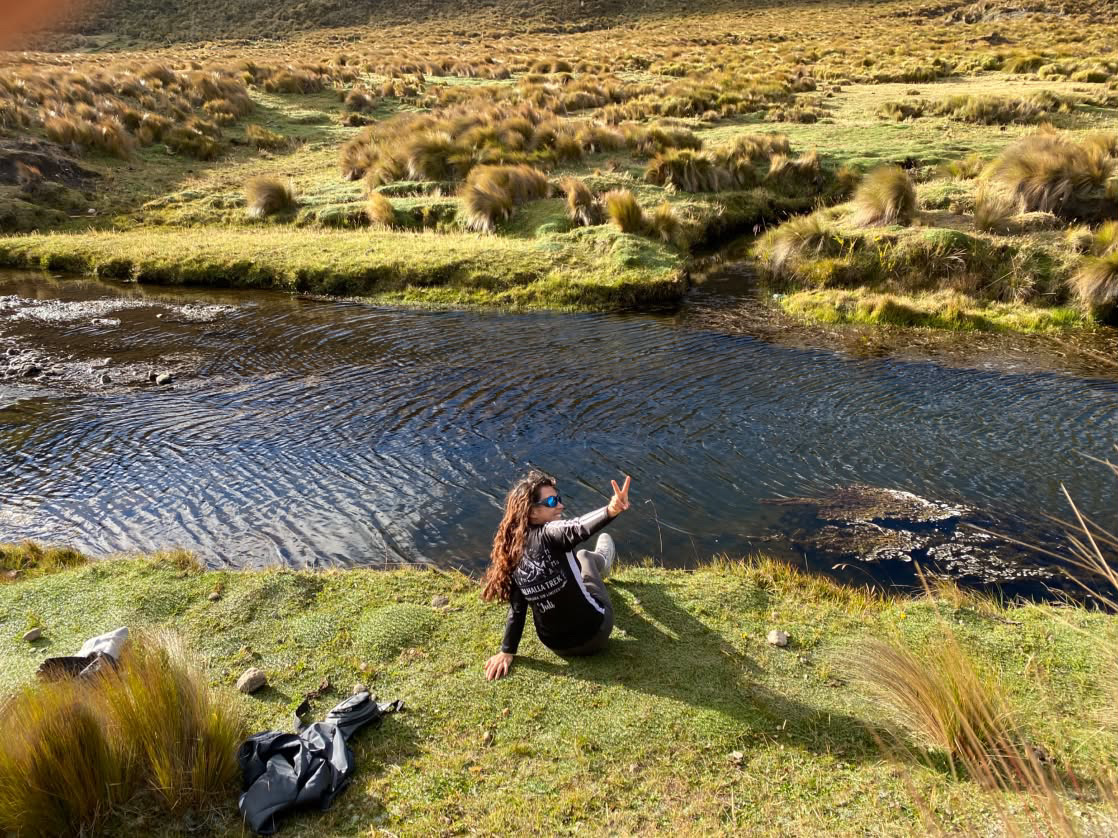
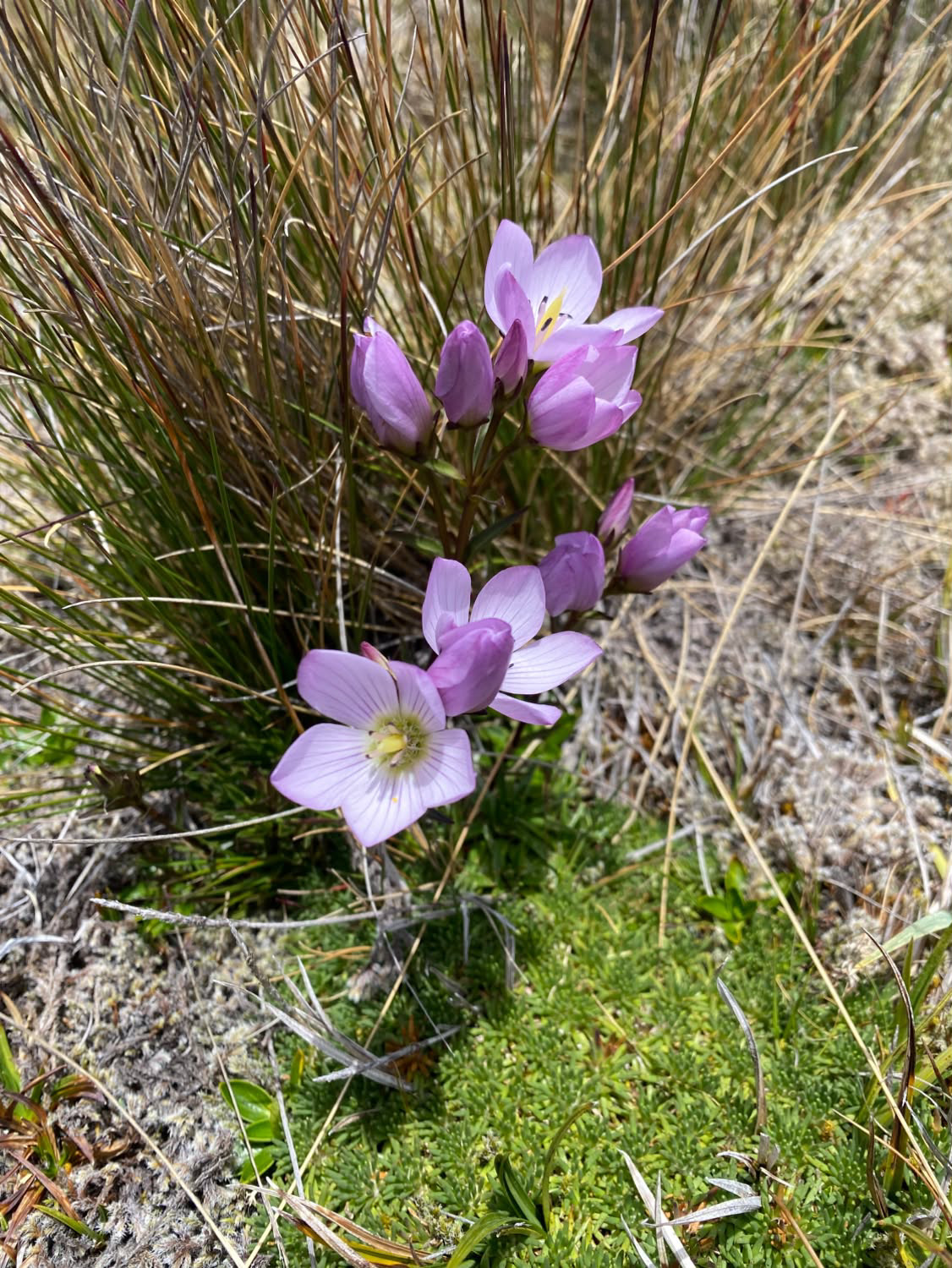
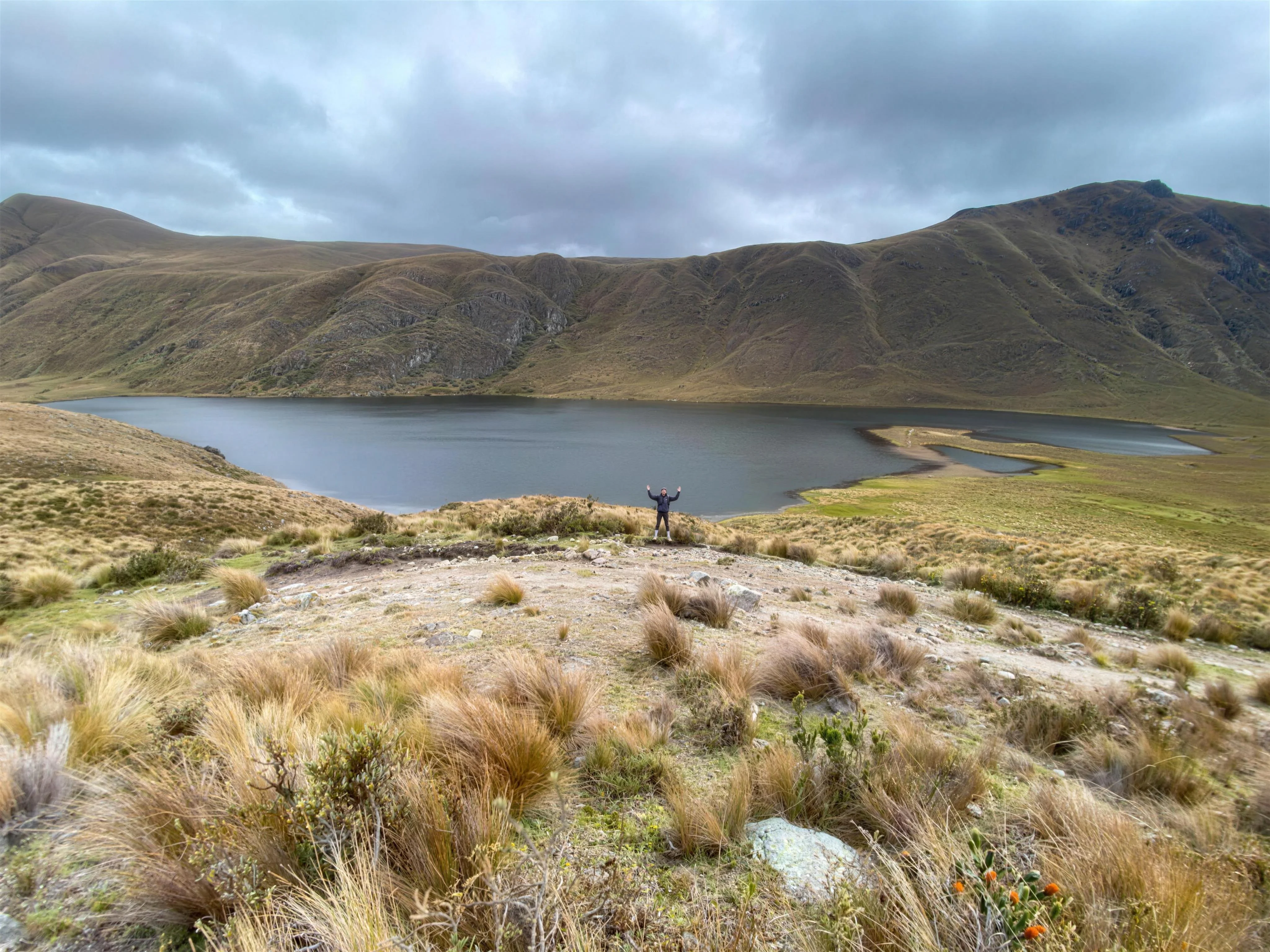
A waterside pause from Juliana’s photo archive. The exact pool is not identified here.
A visit to an Andean lagoon can be the centre of a day rather than a quick photograph between other stops. Before setting out, decide how you will reach the viewpoint, where you will pause and what access has been agreed. A thoughtful plan lets you enjoy the water and surrounding land without adding avoidable disturbance.
This guide focuses on the way you visit. It is not a route description or permission to enter any particular lagoon. Around Cañar, the name, land arrangements and conditions of the specific place matter more than a generic pin labelled “lake” on a map.
See the water as part of a larger landscape
Cañar municipality links the páramos and lagoons of its Sangay sector with water supply and agricultural needs. That is useful context for a visitor: the significance of a lagoon extends beyond the view from its edge. What happens around the water can matter to people who are nowhere in your photograph.
Choose your stop with that wider relationship in mind. Ask where visitors are expected to stand and whether any areas should be left undisturbed. A suitable established viewpoint can offer a good experience without requiring everyone to reach the same patch of shoreline.
Confirm the place and the permission
Ask for the exact name of the lagoon and how the proposed route reaches it. Find out whether access crosses community land, a protected area or another managed space, and who has confirmed the visit. An old track on a map or a picture from another traveller does not establish a current agreement.
If there is an entrance process, a local fee or an accompanying guide requirement, ask how it works before leaving. Also ask whether the place has cultural significance that affects where visitors should go or what they should photograph. Let the people responsible for the place explain those expectations.
Make the walking route part of the experience
Leave No Trace recommends concentrating use on established trails. Follow the route agreed with the site manager and guide rather than taking a shortcut for a photograph. If a section is unsuitable, ask what to do before the group spreads across nearby ground.
Set a pace that allows everyone to follow the same route. When the group stops, leave enough room for other visitors to pass without stepping off the path. A short pause in a suitable place is easier to manage than several people dispersing independently around a wet bank.
Plan a break that leaves little trace
Carry a bag for every kind of rubbish you bring, including small wrappers and food scraps. Keep lunch contained and choose a stopping place that has been agreed for the group. Do not wash utensils, tip drinks or leave food in the lagoon. Bring drinking water and make the toilet plan part of the briefing.
Ask about permitted facilities and waste arrangements before a longer outing. A beautiful photograph may show none of the practical infrastructure a group needs. If the proposed visit cannot accommodate those needs responsibly, shorten it or choose another place rather than improvising at the water’s edge.
Keep photography within the visit’s boundaries
Decide which photographs you can make from the agreed route. Avoid moving stones, picking flowers or asking someone to step onto sensitive ground for a portrait. If a viewpoint is occupied, wait or choose another authorised position. There is no need for every person to reproduce the same composition.
Ask about drone use separately; permission to walk does not settle that question. If people are present, seek their consent for close photographs. Before sharing a location online, consider whether the host wants precise access directions published and whether your caption could imply unrestricted public entry.
Leave activities to the agreed plan
Swimming, paddling, fishing and camping each need their own permission and preparation. Do not add them spontaneously because the water appears inviting or because someone else once posted a picture. Ask what is allowed for that place and date, and accept an answer that limits the visit to observation from land.
The same care applies to pets and group size. State what you intend to bring when enquiring rather than arriving and asking for an exception. Giving the organiser that information early helps them suggest an appropriate outing or explain why a different plan would work better.
Check weather information and local observations
Review INAMHI’s official alerts for the relevant area and period, then ask about the proposed route itself. Check when an observation was made and whether the guide still considers the plan appropriate. A regional forecast and a recent route inspection provide different kinds of information.
Agree the alternative before departure and allow the plan to change. Use the pre-walk preparation article and trip-planning guidance to organise your questions. When you send an enquiry, include your preferred date, group size and expectations. The aim is a well-arranged visit that respects both the place and the people caring for it.