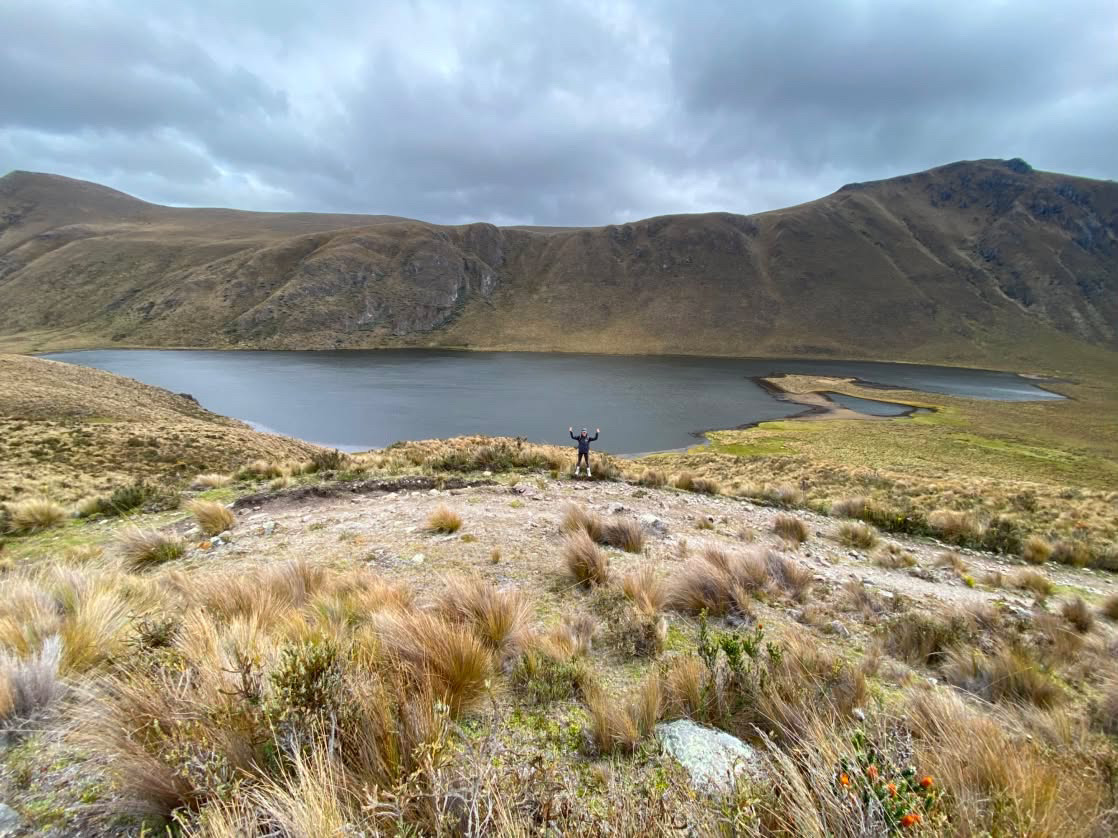
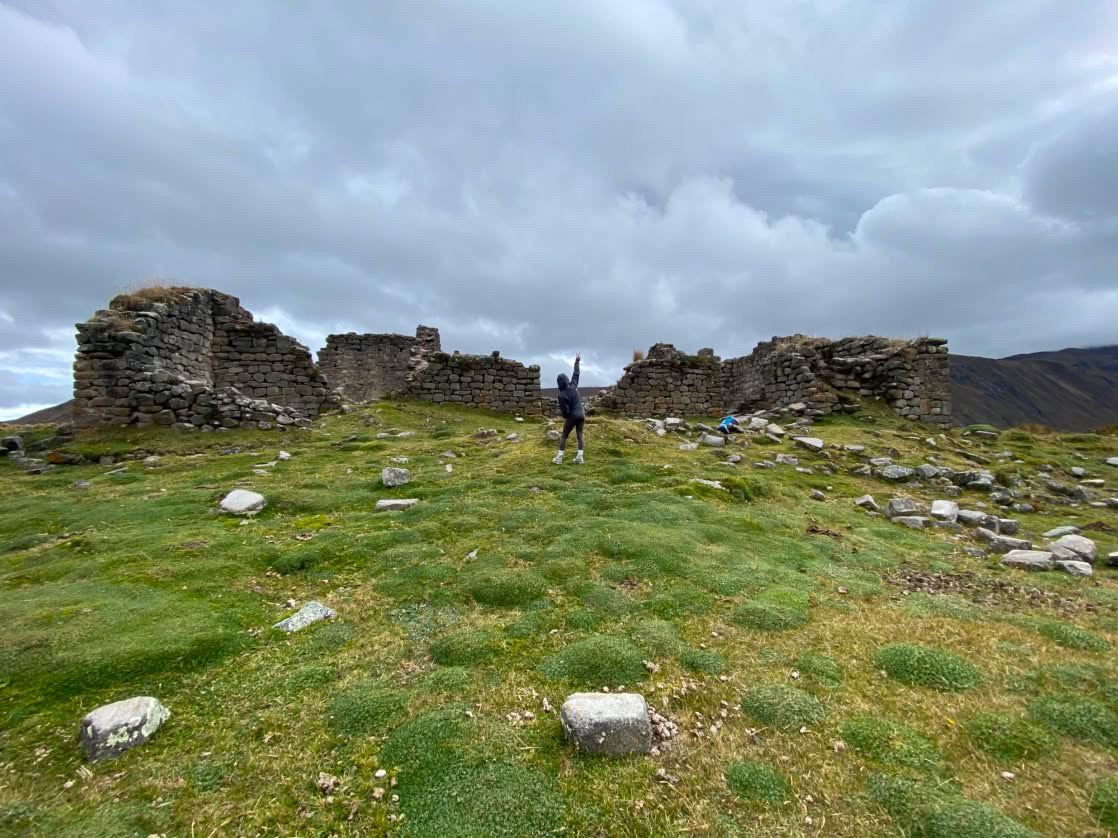
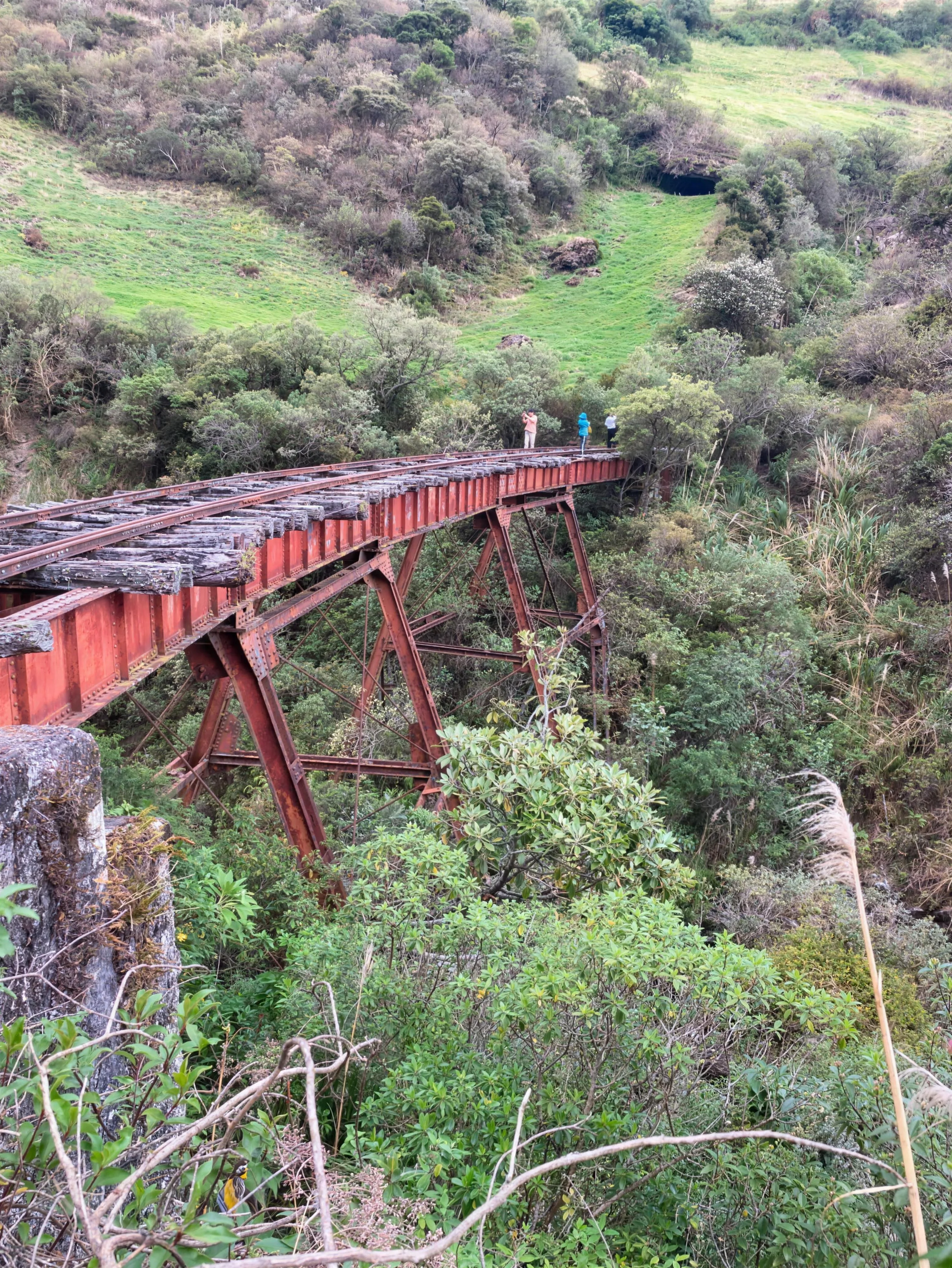
Regional highland context from Juliana’s archive. No market, workshop or craft product is pictured.
A visit to Cañar’s markets and craft makers can add a different pace to a journey through the highlands. Leave time to look, ask and compare thoughtfully. The most useful questions are often simple: Who made this? What is it made from? How should I care for it? The answers can make a purchase more meaningful than a label saying “local”.
Think of this as a guide to making good choices, rather than a fixed shopping route. Workshops, selling locations and visiting arrangements need current confirmation. A place mentioned in an old travel account may no longer receive visitors in the same way.
Understand what you are looking at
The municipality of El Tambo describes a Cañari textile tradition using sheep’s wool, including ponchos and woven belts. That offers useful background for asking about a piece. It does not establish the origin, fibre or production method of every textile offered for sale in the region.
Ask whether the seller made the item, works with the maker or buys it for resale. Each answer can be legitimate; what matters is clarity. If supporting a particular local producer is your aim, say so. Request the maker’s name or workshop information when they are comfortable sharing it, rather than guessing from a pattern or colour.
Make room for contemporary work
Craft is also an area of present-day creativity. A 2026 municipal report on Cañari embroiderers discusses a project connecting traditional techniques with contemporary design. This is a reason to be interested in what makers are doing now. It is not proof that a proposed factory or visitor centre has opened.
When choosing an item, let the maker describe the relationship between their materials, techniques and ideas. Avoid treating an unfamiliar colour or modern use as evidence that something is less valuable. You can prefer one style while respecting the time and decisions behind another.
Choose a market visit or a maker visit deliberately
A market is useful when you want to browse and make an ordinary purchase. A workshop visit may involve someone setting aside working time, preparing a demonstration or explaining a process. Ask what kind of visit is available before arriving with a group and expecting both experiences at once.
The Cañar tourism office’s Ruta Cañari page includes craft-making within a cultural route. Treat it as a lead for a current enquiry, rather than proof that the published package can be booked unchanged. Confirm the host, location, activity and fee before making a journey specifically for it.
Use questions that help a maker explain
Try “¿De qué material está hecho?” for materials and “¿Usted lo elaboró?” to ask whether the seller made it. “¿Cómo se cuida?” asks how to look after it. If you would like to learn about technique, ask whether now is a convenient time for a short explanation.
Do not rely on simple visual tests such as assuming every uneven stitch proves handwork or every regular pattern proves machine production. The person who made the piece can offer more useful information. If provenance matters to you and the seller cannot establish it, keep looking without accusing them of dishonesty.
Agree a fair, clear transaction
Ask the price before requesting alterations, custom colours or extra packaging. Find out whether the amount is for the displayed item or a made-to-order version. If you have a budget, say what it is and ask which pieces fit. An inexpensive purchase you will use can be more satisfying than a larger item bought under pressure.
For a commission, agree the design, dimensions, materials, delivery date and payment terms in writing. Check how you will receive it if you leave Ecuador before it is finished. Avoid promising a future purchase simply to end a conversation; a friendly “thank you, I will think about it” is clearer.
Photograph the work with permission
Ask before photographing a stall, recording a demonstration or taking close images of patterns. Permission to view a piece does not necessarily include permission to reproduce a design or use someone’s portrait in commercial content. Explain your purpose and accept any limit the maker sets.
If you want a demonstration, ask whether there is a fee and whether it needs an appointment. Paying for a small item does not automatically compensate someone for an extended lesson. Give the visit enough time that you can listen without holding up other customers.
Plan the practical details
Confirm the current location and opening arrangements, especially if you are travelling from another town. Ask which payment methods are accepted and whether the seller can provide a receipt. Leave room in your bag, check how to pack a delicate piece and ask for care instructions before leaving.
Use the trip-planning page to leave space around a market or workshop stop. You can browse the Field Journal for wider regional context, or ask about fitting a cultural stop around a hike. A maker visit needs its own agreement; it should never be assumed from a general walking enquiry.