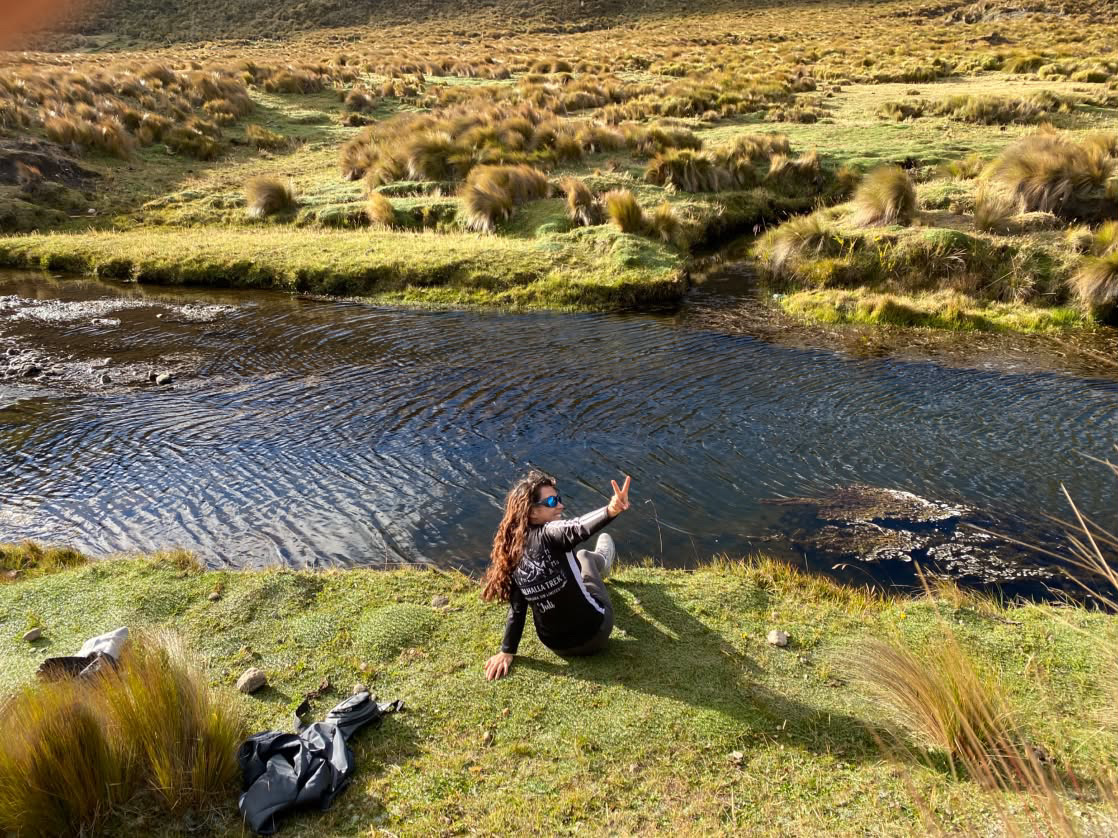
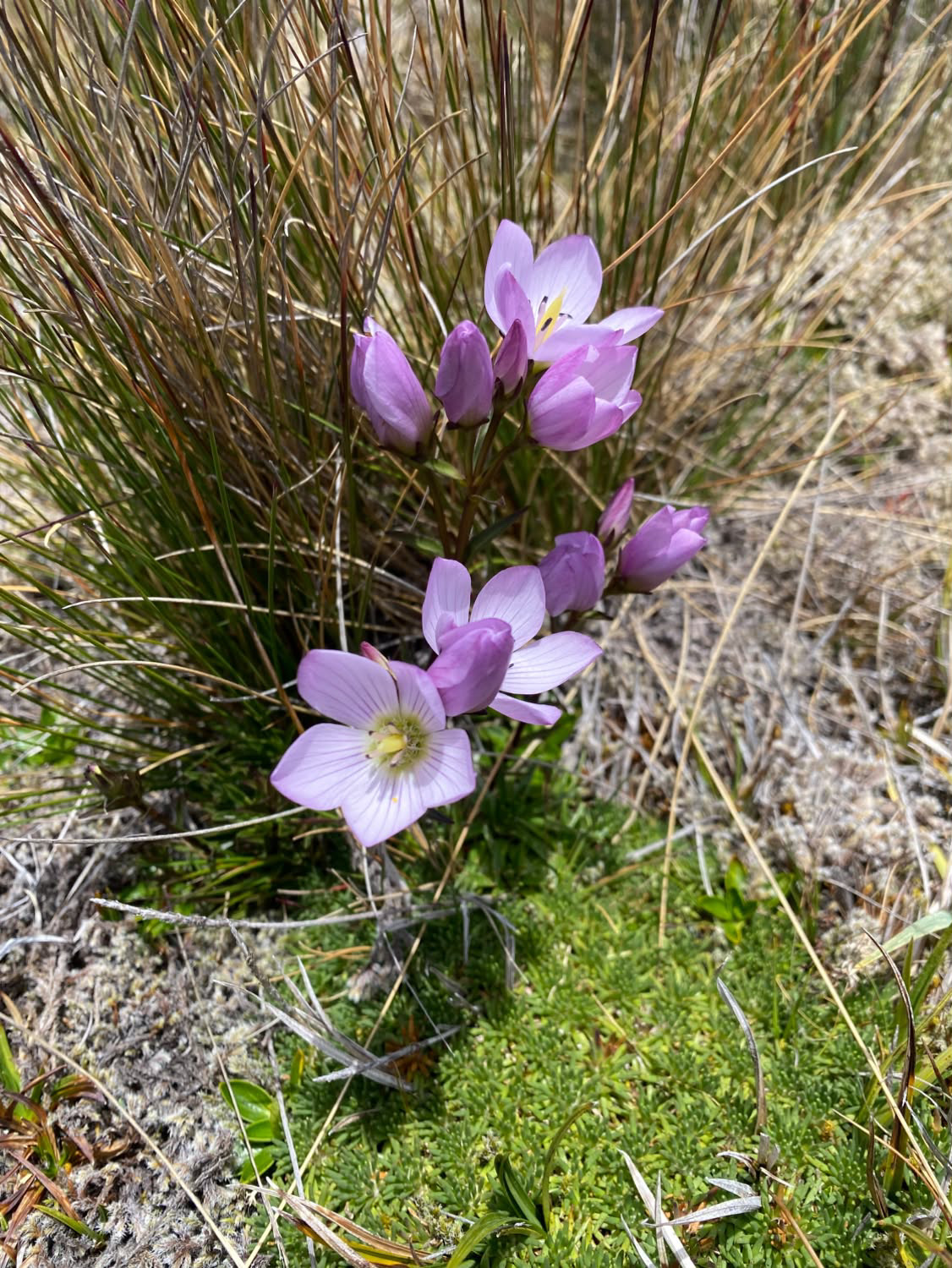
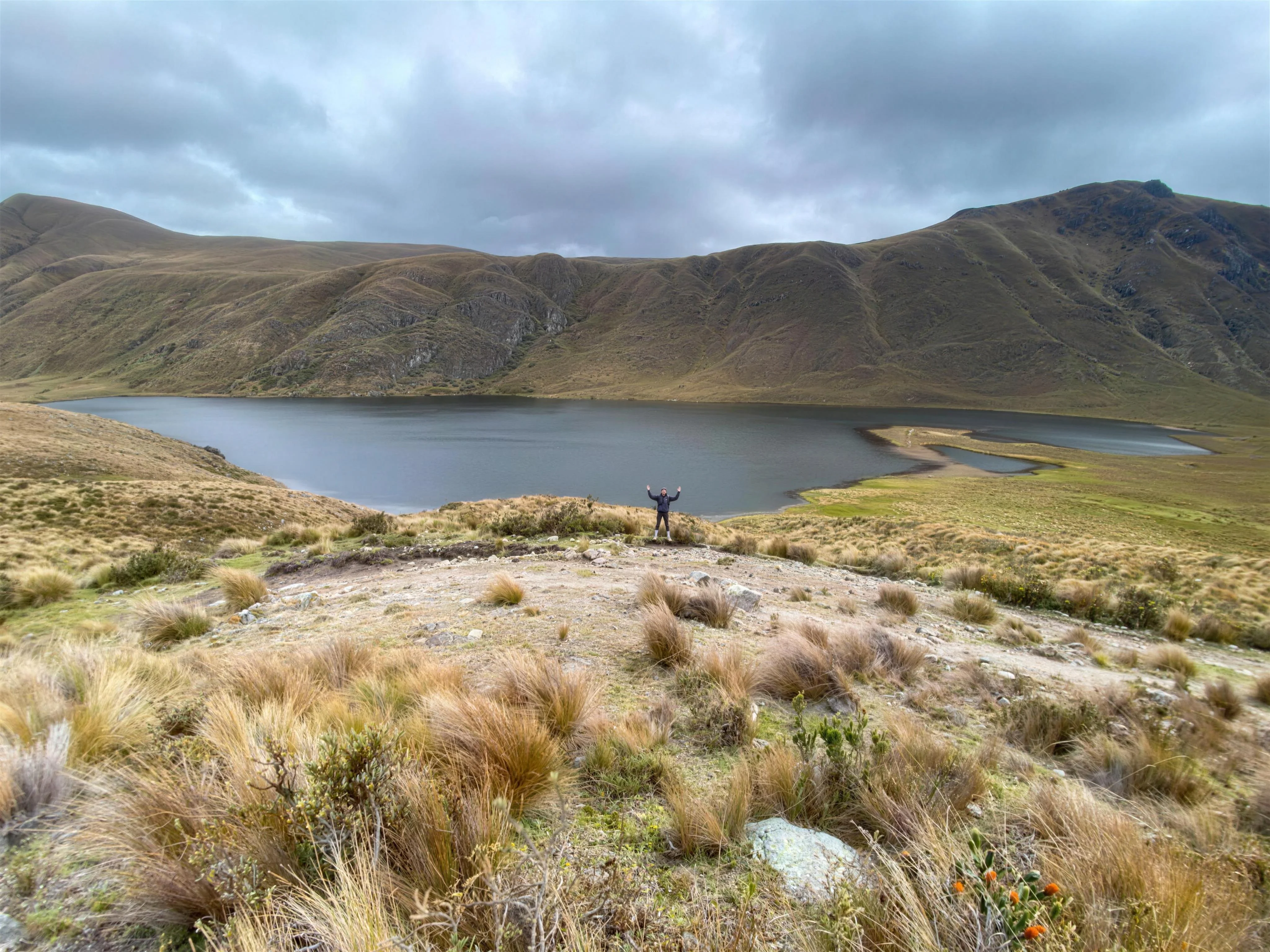
A pause beside a highland pond from the Valhalla Trek photo archive.
A photograph can help you remember the shape of a valley, the texture of a path or the people who shared a day outside. In Cañar, Ecuador, plan to photograph the walk you actually experience. Weather, access and the group’s needs all help determine where you can stop and what you can reasonably capture.
You can make thoughtful images with a phone or a camera. The starting point is attention: notice where your feet are, what is happening around you and whether taking a picture fits the moment. Equipment comes after those decisions.
Talk about photography before choosing the route
Tell Juliana whether you want a few memories of a general hike or time for deliberate landscape photography. Those are different uses of a day. Ask about opportunities to stop, the expected walking pace and whether carrying your equipment changes the suitability of the proposed route.
Be specific about what you hope to do without treating it as a promised shot. A quieter composition, a broad view or details of vegetation can be interests to discuss. Exact light, reflections, wildlife and empty paths cannot be arranged simply by requesting a photograph.
If you are travelling with companions, agree how much time you want for pictures. A few planned pauses are easier to accommodate than repeatedly asking the whole group to wait. Read the trip-planning information before adding photography expectations to your enquiry.
Choose your position before your composition
Put care for the place ahead of obtaining an image. Learn about the location, respect the agreed access and consider the consequences of sharing a precise viewpoint. Those choices matter more than completing a shot list.
Stop on a suitable part of the agreed route before looking through a viewfinder. Ask the guide where a pause is appropriate, and keep the way clear for other walkers. If the composition would require stepping somewhere unsuitable, choose a different composition.
Leave No Trace’s guidance on durable surfaces explains why movement can affect vegetation and waterways. Keep photography within the access and stopping arrangements of the walk. A small change of camera angle is preferable to making a new path for a picture.
Make three different kinds of image
A simple approach can help you notice more without carrying more equipment:
- A wide view: show the shape of the landscape from an agreed stopping place. Check the edges of the frame for distracting objects before taking the picture.
- A middle view: choose one relationship, such as a path leading towards a slope or a person within the setting. Include a person only with their agreement.
- A close detail: look for texture, colour or a pattern you can photograph without touching or moving it.
These are creative prompts, not a shot list to complete. You may find one approach more rewarding than the others. Leave enough time to look away from the screen and experience the place you came to visit.
Work with the day you have
Consider how to respond if the view you imagined is not visible. A smaller scene or the changing atmosphere may interest you more than waiting for a distant summit. Ask about any change to the plan before remaining behind for the light.
Protect equipment in a way that still lets you reach your weather layers and water. Test your carrying arrangement at home, including how it feels while walking. A camera bag that is comfortable for a short town walk may not suit the day you are proposing. Keep spare power and storage ready so a simple equipment problem does not dominate the outing.
Ask before photographing people and working places
Landscapes can include homes, farms, gates and everyday activity. Ask before making a person the subject of your picture or photographing somewhere that feels private. Explain the intended use, particularly if you plan to publish it. Accept a refusal without trying to obtain the same image from farther away.
A commercial assignment, organised shoot or drone flight needs a separate discussion about access, permissions and current rules. Agreement to a guided hike does not establish those arrangements. Do not arrive assuming that a general booking covers specialist production needs.
Share an accurate story
Use the location you can verify and describe what the image actually shows. Avoid presenting an archive photograph as current trail conditions. Think carefully before adding precise coordinates to a sensitive place; ask the guide when you are unsure.
Explore the setting on Wild Cañar, then contact Juliana about a future hike with your dates, experience and photography interests. The proposed route and pace need review. A good enquiry makes room for creative attention while keeping the walk enjoyable and manageable for everyone.