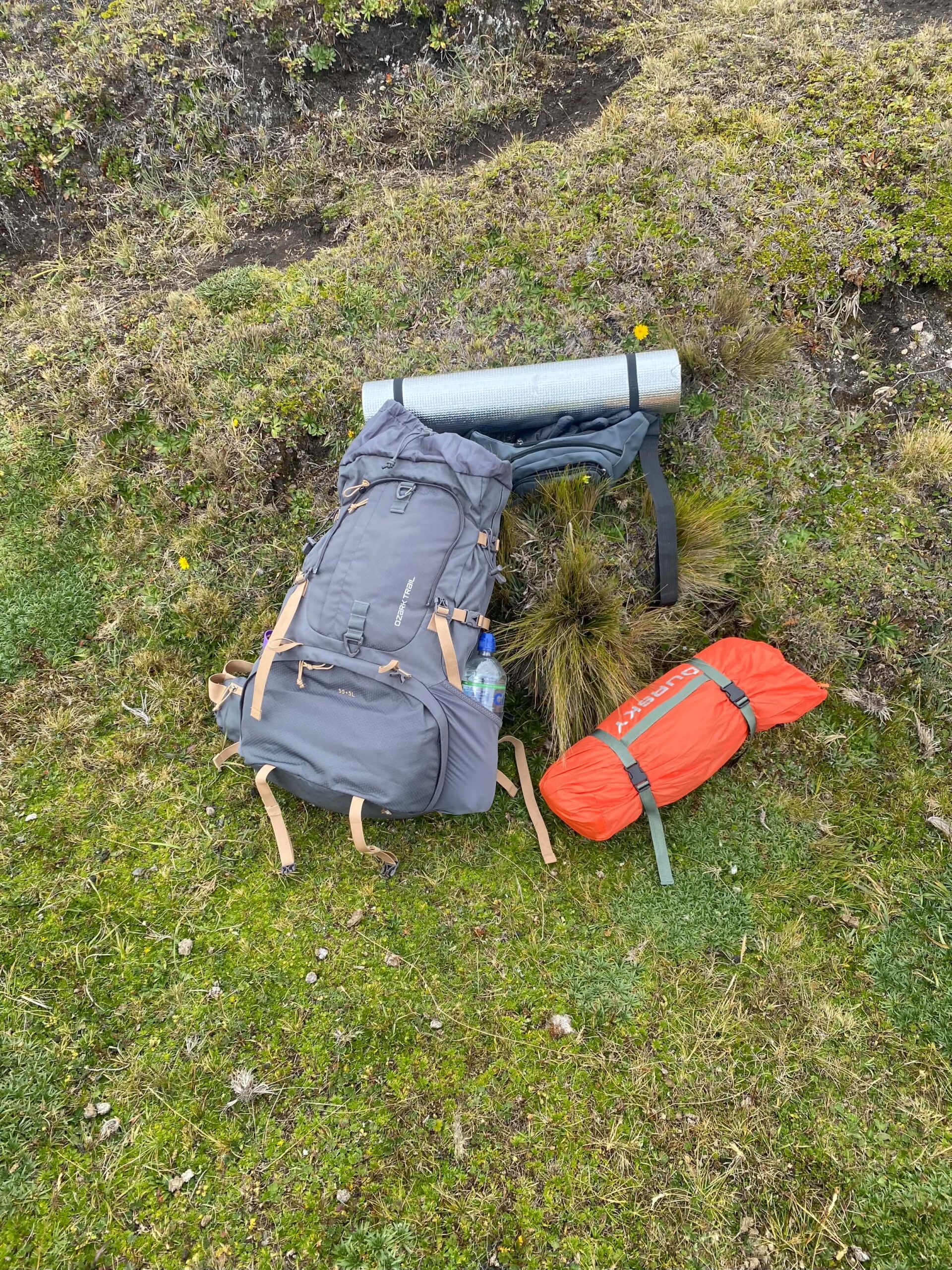
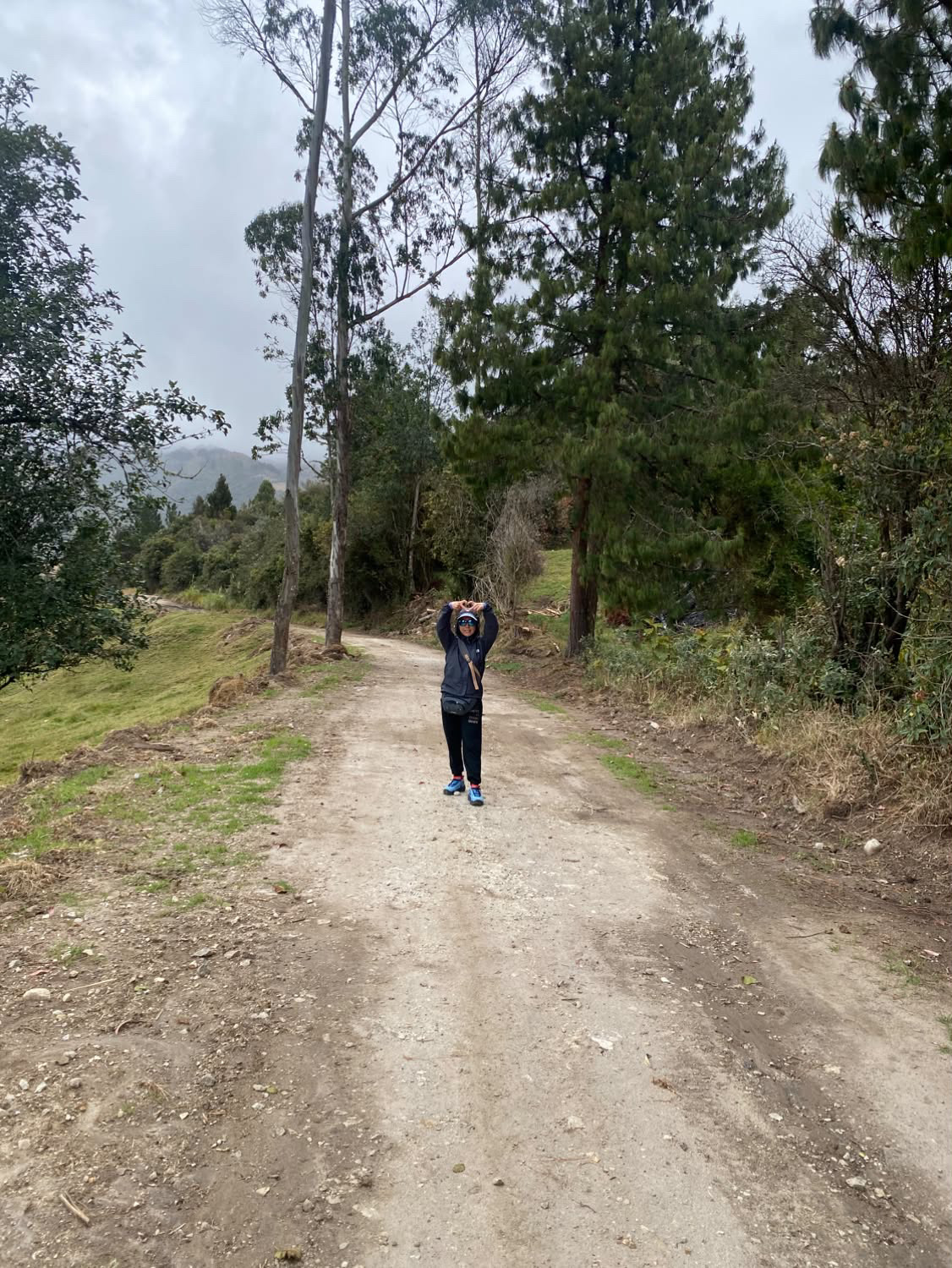
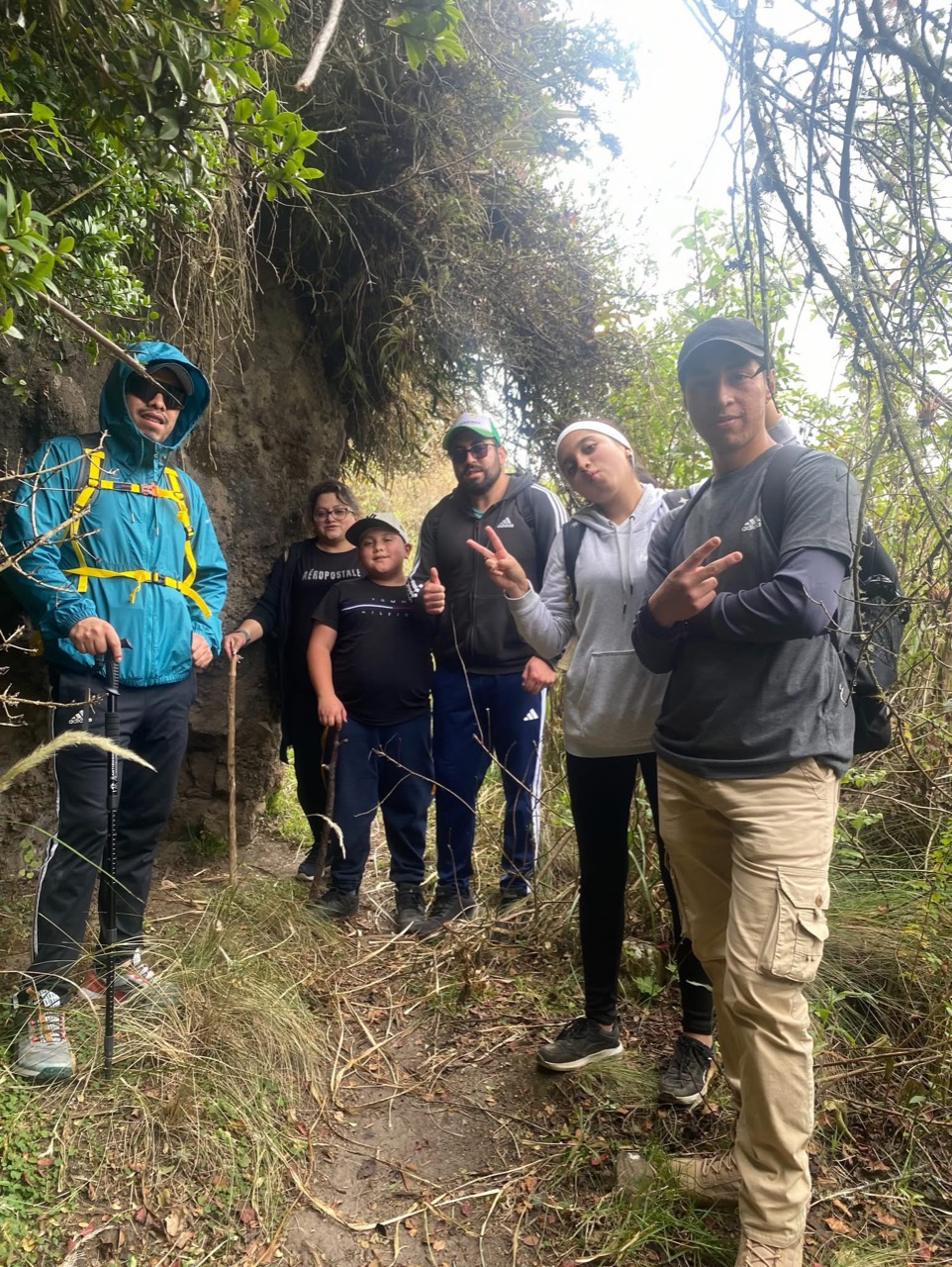
Equipment from Valhalla Trek’s walking archive. Your packing list depends on the agreed outing.
A useful packing list for Cañar starts with the proposed walk: how long you will be out, the ground underfoot, the elevation, likely exposure and what the guide will provide. Once those details are clear, you can pack deliberately instead of carrying everything you own or relying on something another person may not have.
This guide expands the equipment side of Before we meet at the trail. That shorter article covers the conversation and arrangements before an outing. Here, the focus is a personal daypack. Overnight trips, technical activities and specialist equipment require their own confirmed list.
Ask four questions before opening the wardrobe
Confirm the expected walking and total outing time, the footwear recommendation for the actual surface, whether food or drinking water is included, and which emergency supplies are shared. Ask about any special route requirements. Do not assume equipment hire, waterproof clothing, lunch or transport is included because it appears in a photograph.
The National Park Service’s Ten Essentials is a useful check of equipment functions. For a guided outing, discuss responsibility for those functions with the operator: a guide carrying group equipment does not remove your need for suitable clothing and personal supplies.
Build a clothing system you can adjust
Choose a comfortable layer next to your skin, an insulating layer for pauses and a weather-resistant outer layer suited to the forecast and route. Check that the outer layer fits over the others and that its hood does not obstruct your view. Put essential spare clothing inside a waterproof liner or bag within the pack.
Spain’s mountaineering federation, FEDME, recommends matching equipment to terrain, duration and difficulty, including adaptable layers. Try the combination before departure. Lift your arms, crouch and walk with the loaded pack: clothing that feels comfortable at home may bunch under a shoulder strap.
Keep a warm layer accessible rather than buried beneath every other item. A hat and gloves take little space, but discuss whether they suit the planned conditions. Choose trousers that allow a full step and check whether additional rain protection is recommended. Bring a dry change for the return if you expect to need it, with its storage arrangements agreed.
Choose footwear for the ground
Ask whether the route involves maintained paths, wet grass, mud or loose and uneven ground. Wear footwear you have already walked in, with a suitable sole and secure fit. Test it with the socks you intend to use, including on a gentle downhill slope. Report discomfort early rather than waiting for a minor rubbing point to spoil the day.
If you use walking poles, check whether they suit the route and practise adjusting them. They also need somewhere secure to go when you want free hands. A new purchase is most useful after you know what problem it is meant to solve.
Make water and food a specific plan
Ask how much drinking water to carry for the agreed duration and conditions, and whether any refill is planned and suitable for drinking. A stream or lake on a map does not establish a drinking-water stop. Carry your supply in containers you can use without unpacking everything.
Confirm the food arrangements and bring any agreed personal snacks. Choose items you know you can eat comfortably while outdoors, and tell the operator about dietary requirements through the appropriate private channel. Keep food sealed and carry a bag for packaging and scraps. Include the return journey when deciding what you need.
Keep the small essentials usable
- Sun protection: pack a hat, suitable sunglasses and sunscreen where you can reach them.
- Light: bring a working headlamp if required for the outing, and confirm power or spare-battery arrangements. A phone torch should not be your only plan for a delayed return.
- Personal care: carry your usual necessary medication and any personal first-aid items agreed for the trip. Keep sensitive health details out of a public enquiry.
- Communication: charge your phone, save meeting instructions offline and protect it from rain. Ask how communication will work where a phone signal is unavailable.
- Emergency preparation: clarify the guide’s arrangements and what personal emergency layer or shelter you are expected to carry.
Pack for access, then do a final check
Put frequently used items near the top or in secure pockets. Keep heavy objects stable and check that nothing swings into your legs. Walk around with the loaded pack, adjust the straps and remove optional duplication. Leave sufficient space for layers you may take off while walking.
The evening before, review the agreed route update and relevant INAMHI weather alerts. Check batteries, bottle closures, food, rain protection and meeting details. Use the travel-planning page for the wider journey, and include equipment questions when you contact Juliana about a future hike. The final list should reflect the outing Juliana reviews with you.