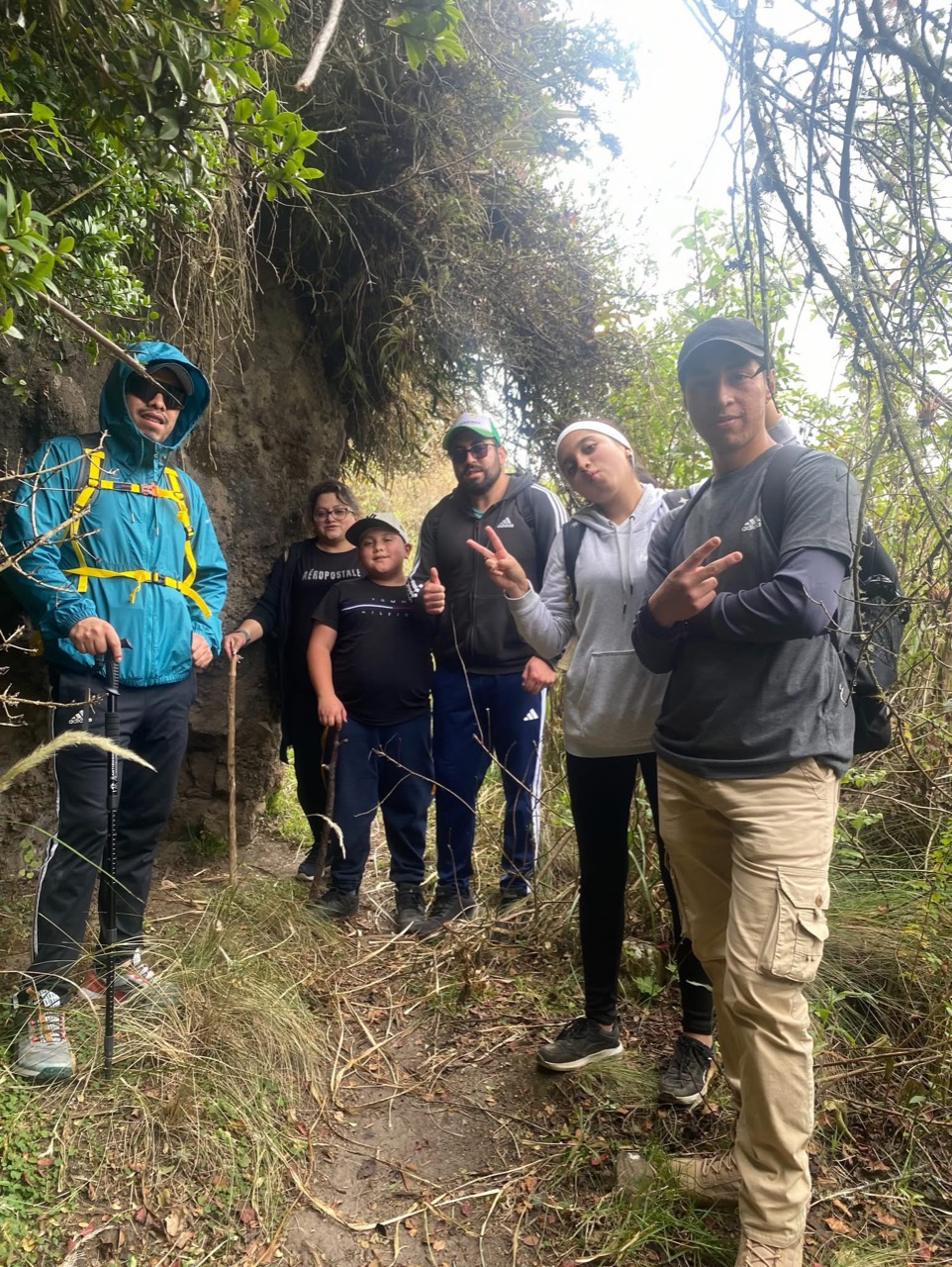
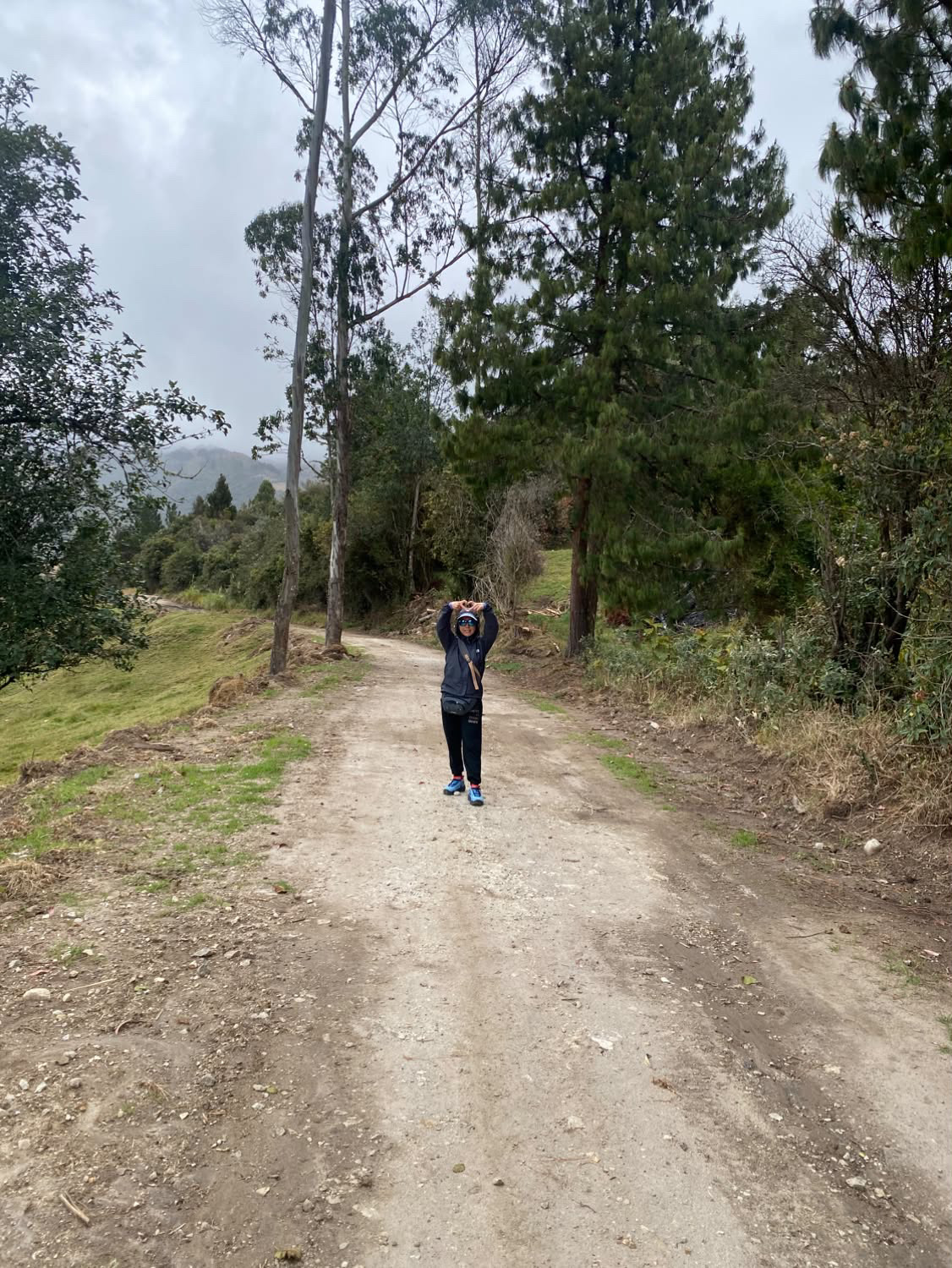
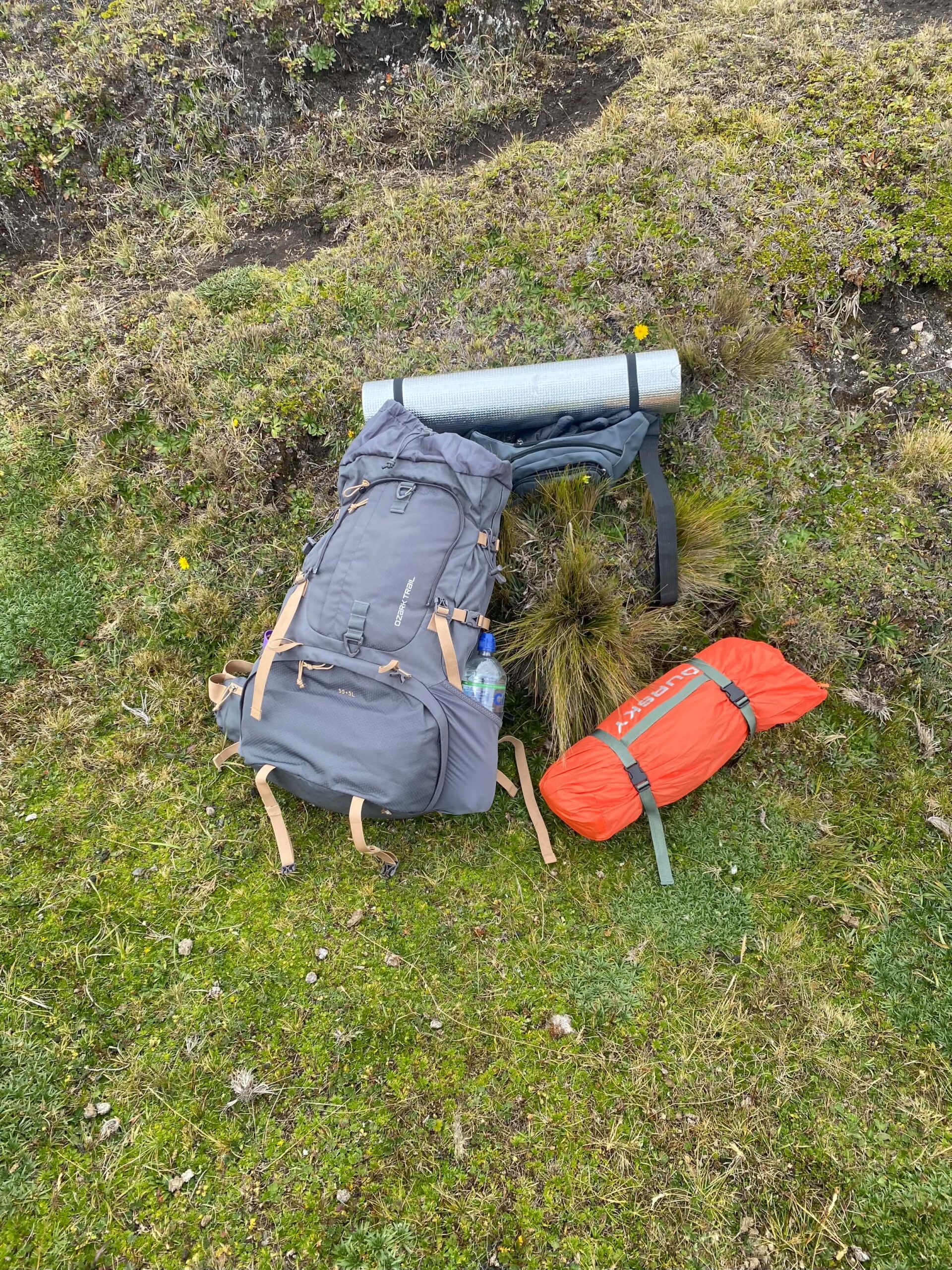
A group walk from the Valhalla Trek photo archive.
Your first guided day hike in Ecuador should give you room to enjoy where you are: to look across a valley, ask a question, stop for a photograph and finish with energy left for the journey back. Choosing that day starts with a useful description of the walk and an honest conversation about your group.
If Cañar, in Ecuador’s southern Andes, is new to you, begin with the trip-planning information. Then consider the kind of hiking day you actually want. A dramatic photograph can inspire a trip; the practical details will help you decide whether it fits.
Describe your starting point
“Beginner” can mean several things. You might walk regularly at home but have little experience on uneven ground. You might be comfortable on hills but new to altitude. Someone else in your group may be worried about steep edges, a long descent or keeping up.
Give the guide concrete examples: how long you usually walk, whether that includes hills, what kind of surfaces feel comfortable and when you last carried a daypack. Mention the pace you prefer and the breaks you need. A recent description is more useful than choosing between “fit” and “unfit”.
The National Park Service’s hiking guidance recommends matching the trail to the abilities of the whole group. Use that principle when comparing options in Ecuador, while asking the local operator for the actual conditions of the proposed route.
Compare more than distance
Ask for five details before deciding that a day is suitable:
- Walking time and total outing time: separate time on foot from meeting, approach travel, breaks and the return.
- Starting and highest elevation: these answer a different question from the amount of uphill walking.
- Ascent and descent: ask about sustained climbs and the character of the return, especially if long descents are unfamiliar.
- Surface and exposure: clarify mud, loose stones, narrow sections, steps, bridges or places where hands might be needed.
- Options to shorten the day: understand where the route can change and who makes that decision.
Write the answers beside each other. A shorter walk with awkward footing may feel less comfortable than a longer, straightforward path. Ask which parts are optional and whether the advertised duration allows for your group’s pace. Avoid planning another time-sensitive activity immediately afterwards until the arrangements are clear.
Give altitude its own place in the plan
Tell the guide where you will have been staying before the hike and when you arrive in the highlands. Fitness and familiarity with walking are useful information, but they do not tell the whole story about adjustment to elevation.
The CDC advises gradual ascent and says people with altitude symptoms should not continue higher until symptoms resolve. If you have a relevant health condition or previous difficulty at altitude, discuss your travel plan with a healthcare professional. Tell your guide promptly if you feel unwell. CDC advises descending if symptoms worsen while resting; serious symptoms need urgent medical help.
Choose an experience, then check its requirements
Think about what draws you outdoors. Perhaps it is an open landscape, time to notice plants, the story of an old route or a quiet walk with friends. Tell Juliana which of those matters most. That helps turn a broad request for “something easy” into a discussion about pace, surroundings and suitable terrain.
You can explore the Wild Cañar experience as one starting point for that conversation. Confirm the proposed itinerary and difficulty for your date rather than assigning it a beginner label yourself. A route name describes an idea; Juliana still needs to review whether the particular outing suits your party.
Make group expectations explicit
Agree beforehand whether your group wants steady walking, frequent photography stops or plenty of time to talk. Tell Juliana about children, differing experience levels and any practical requirements that affect pace. Ask what group support is proposed and how the group will stay together.
Language belongs in this discussion. Juliana guides in Spanish. If you need interpretation, request it early and ask for availability, arrangements and any additional cost to be confirmed. Written English messages while planning do not establish the language support that will be present on the trail.
Leave room for a sensible alternative
Ask what happens if conditions make the original route unsuitable. A shorter walk, a different date or postponement may need to be discussed. Check the applicable booking and change terms before committing to travel, and agree how you will receive a final update.
Pack for the agreed route, make the meeting arrangements clear and keep the guide’s contact instructions accessible. A relaxed first outing depends on these small decisions as much as on the landscape.
Send a request the guide can work with
Include your dates or flexibility, group size, walking experience, preferred pace and language needs. Add one sentence about what would make the day enjoyable for you. You can meet Juliana here and contact Juliana about a future hike when you are ready. This is an enquiry only, not a reservation. Once departures reopen, check the published booking process, itinerary, price and terms before committing.