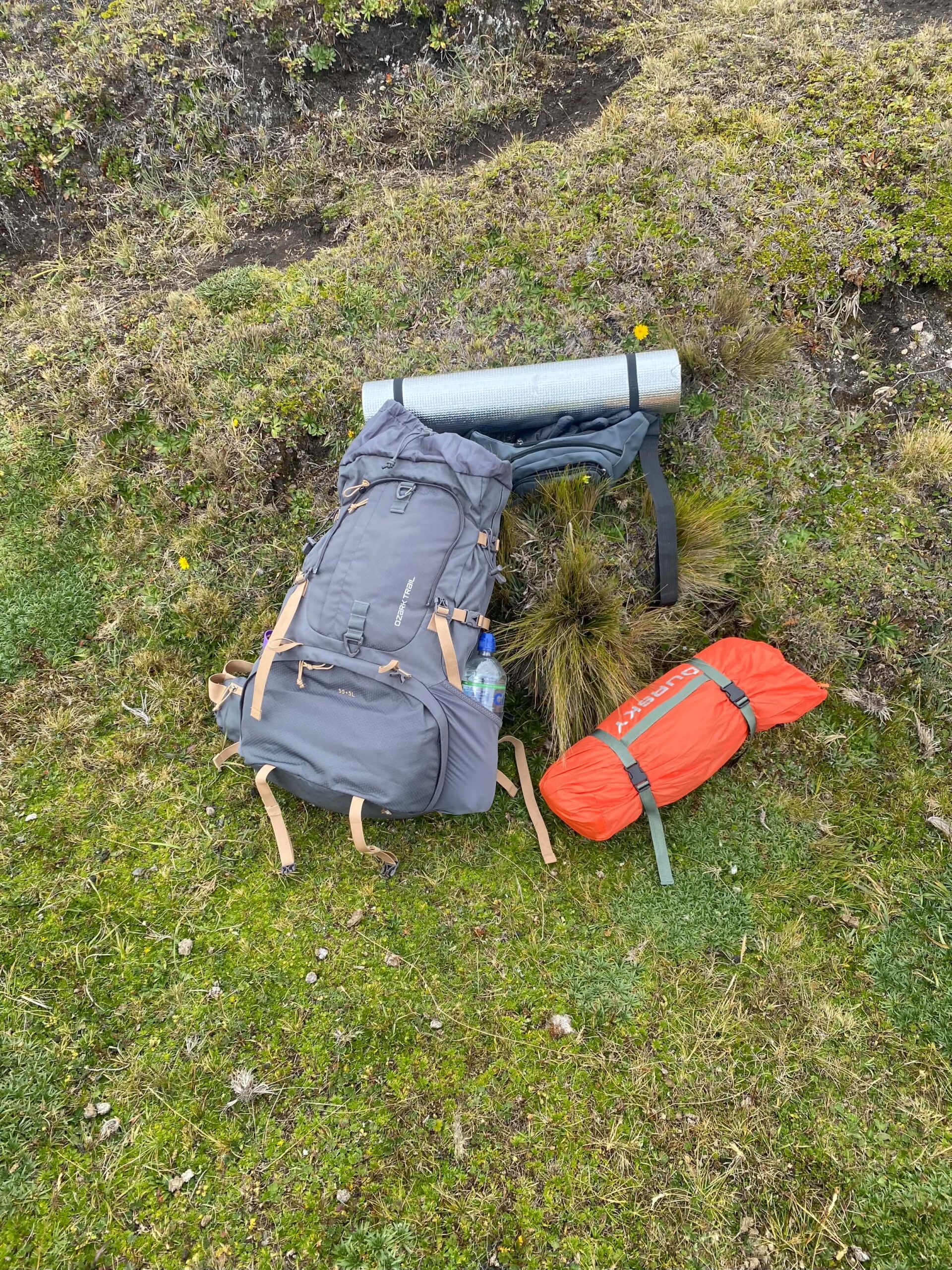
Preparing for a journey, from Juliana’s photo archive. This is not a photograph of a transport service.
A trip from Cuenca to Cañar becomes easier to organise once you have an exact destination. Cañar city, Ingapirca, El Tambo and a rural trail meeting point are different arrivals. Before comparing buses or asking for a transfer quote, write down where you need to be, who will meet you and where you want to finish the day. That simple step prevents a large part of the confusion.
Choose the destination before the ticket
If you are visiting Cañar city, ask about the stop serving the city itself. If the main purpose is Ingapirca, ask for the archaeological complex rather than assuming that a ticket to Cañar includes the onward journey. For a hike, use the meeting point confirmed by the organiser, not a pin copied from an unrelated travel article.
The Cañar municipality’s geography page is useful for understanding the canton’s wider territory. Save the agreed address and a contact number offline. A screenshot of a place name without its surrounding roads is less useful than a clearly labelled meeting point and written arrival instructions.
Travelling by bus: ask the operator directly
Ask your chosen bus operator which service reaches your exact destination on your travel date. Confirm Cuenca–Cañar and any onward connection to Ingapirca or a rural meeting point separately. A bus company’s name or an old route listing does not confirm a current departure. Check the boarding office, intended stop and return options directly before buying.
When you contact an operator, give the travel date, destination and number of passengers. A useful answer should cover the departure, boarding point, intended stop and return options. Ask whether you need to buy in advance, whether luggage has any limits, and what happens if the service changes. Do not rely on a general timetable screenshot forwarded without a date.
- “Does this service stop in Cañar city or continue elsewhere?”
- “Where exactly do we board, and how early should we arrive?”
- “What is the current fare, and how do we pay?”
- “Where does the return service leave from?”
- “What is our alternative if that return is unavailable?”
Keep the answers together with your ticket or booking confirmation. If you need another vehicle after the bus, agree on that connection separately. A bus arrival time does not automatically reserve a driver or guarantee that a trail group will wait.
A private transfer: compare the complete arrangement
A prearranged vehicle can be useful when the group needs one pickup point or has a confirmed rural destination. Ask for a written quote that names the start, destination, return and any intermediate stops. Find out whether waiting time, parking, luggage and any extra distance are included. A low initial figure is difficult to compare if those details are missing.
Clarify whether you are arranging transport only or a guided visit. A driver, an archaeological interpreter and a hiking guide fulfil different roles. If several people or businesses are involved, establish who coordinates changes and how you reach them. Confirm the vehicle’s suitability for the actual access road with the provider; the appearance of a route on a map is not a vehicle assessment.
If you are arriving at Cuenca airport
Allow the arrival day to remain flexible. Collecting luggage, reaching your accommodation and finding the correct onward departure all take time that a flight arrival alone cannot guarantee. The airport’s own transport page describes its local tram, taxi and bus connections. Those are useful for planning the Cuenca leg; they do not confirm your onward journey to Cañar.
If the visit matters to you, avoid building it around an uncomfortably tight connection after a flight. An overnight stay before travelling onward may give you more room to handle delays. Choose the arrangement that fits your actual arrival and departure commitments.
Build a day around one main visit
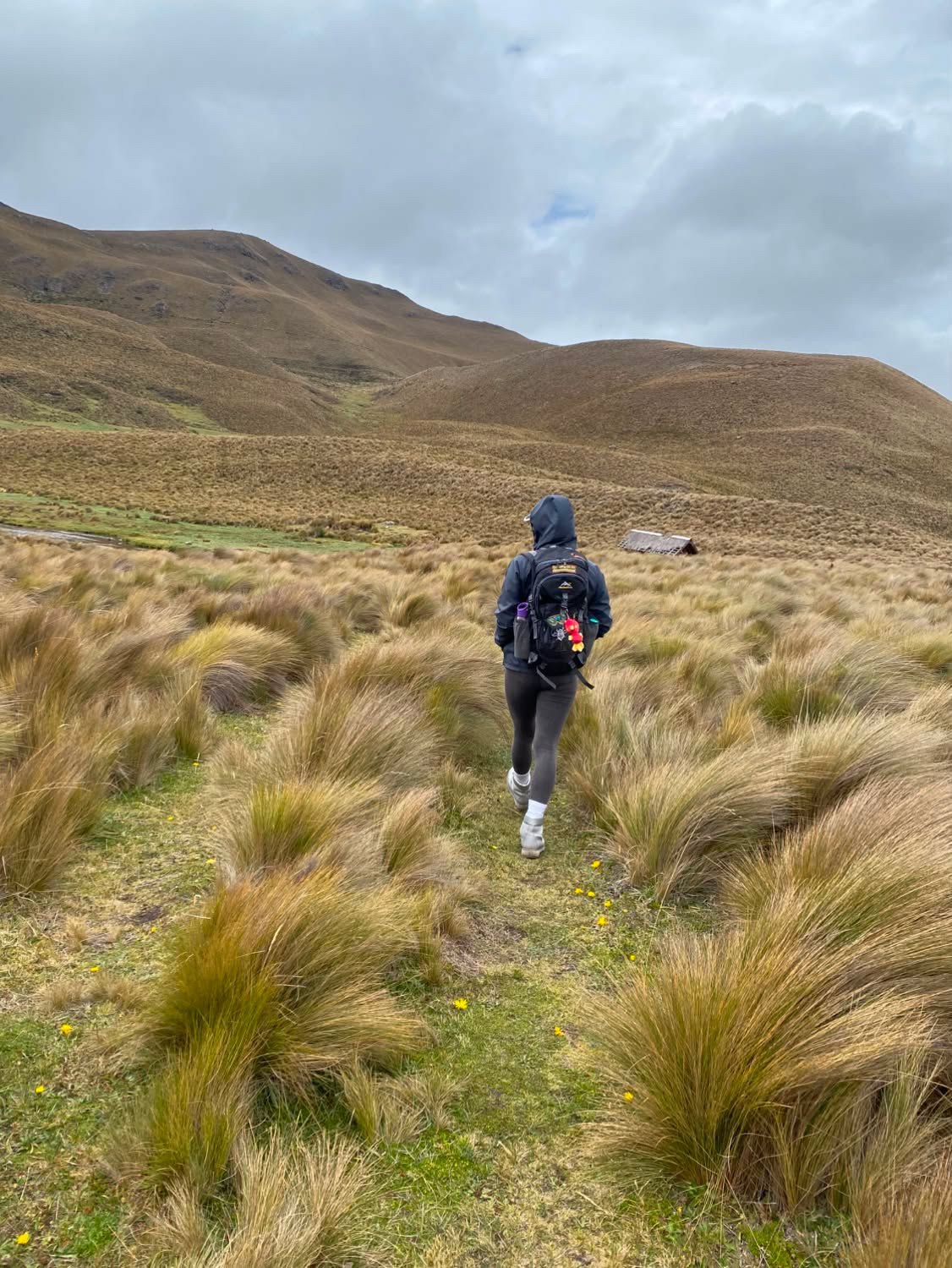
Start with the appointment that is least flexible: an attraction admission, a meeting with a guide or a return connection. Put the remaining stops around it. For an archaeology-focused day, give the site enough attention and treat any extra town visit as optional. For a hike, leave room for the group’s pace and changes to the agreed route.
The Valhalla Trek trip-planning page can help you organise those details. If your journey includes walking, also read the preparation notes before meeting at the trail. Transport planning and walking preparation belong in the same conversation.
Set the return plan before leaving
Record the pickup location, contact person and latest agreed time to finish the activity. Keep a practical alternative for a missed or cancelled connection, and tell your accommodation if your arrival may change. Check road and weather information again close to departure rather than treating an earlier message as a guarantee.
To discuss an outdoor visit, send Juliana your Cuenca starting point and available dates, together with your group size and required return destination. Ask which hike options and transport arrangements, if any, can be confirmed. Sending a request does not reserve a vehicle, an attraction ticket or a place on a trip.
Leave room for a food stop
Before leaving Cuenca, browse Juliana’s food photo diary from the city. For the next part of your journey, our Cañar food guide covers local examples and useful questions to ask before ordering.